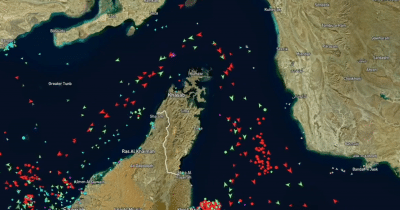
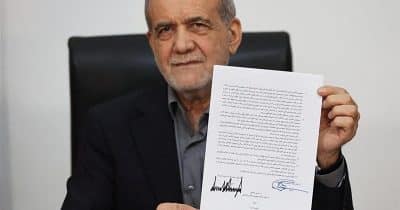
Iran shut down the Strait of Hormuz this week, a move that tests the ceasefire agreement it struck with the United States just months ago. The closure isn't just an oil-market shock — it's also the first time cryptocurrency has been pulled directly into a major geopolitical standoff in this way. The strait handles about a fifth of the world's oil supply, and the blockade is already rattling global markets.
What the Blockade Means for Oil
The Strait of Hormuz is the narrow choke point between the Persian Gulf and the Gulf of Oman. By closing it, Iran has effectively cut off a massive flow of crude from Saudi Arabia, Iraq, Kuwait, the UAE, and Qatar. Oil prices are climbing, and the economic instability that follows could ripple through every market — including crypto.
A Ceasefire Under Pressure
The closure is a direct test of the ceasefire that ended months of tit-for-tat strikes between Iran and the U.S. earlier this year. That deal was already fragile. Now it's being pushed to the breaking point. Whether Washington responds with diplomacy or force will shape not just the region, but the global financial landscape.
Crypto Enters the Picture
This is where digital assets come in. The Strait of Hormuz closure doesn't just affect oil tankers and futures contracts — it introduces cryptocurrency into geopolitical tensions in a way that's hard to ignore. Traders are watching to see if crypto behaves like a safe haven or gets dragged down by the broader instability. The event also raises questions about whether cryptocurrencies could be used to bypass sanctions or move money around a potential blockade of Iran's own financial system.
The next few days will tell the story. If the ceasefire collapses, expect more volatility across the board. If it holds, the strait might reopen — but the precedent of using a blockade as leverage, and crypto's new role in that calculus, won't disappear.