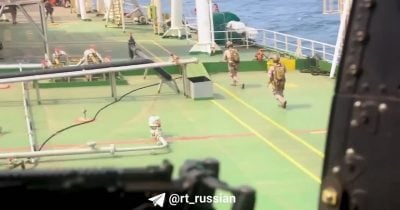
Iran has shut down the Strait of Hormuz and opened fire on vessels in the area, a dramatic escalation in the region amid heightened tensions between the United States and Israel. The move cuts off one of the world's most critical oil chokepoints, through which roughly a fifth of global petroleum passes daily.
What happened in the strait
Iranian forces closed the waterway and fired on ships, according to reports from the region. The action came as the standoff between Washington and Tel Aviv deepened, though the exact trigger for the closure remains unclear. No group or country has claimed responsibility for the vessels targeted, and the full extent of damage or casualties isn't yet known.
The Strait of Hormuz connects the Persian Gulf to the Gulf of Oman and the open ocean. It's a narrow passage — just 33 kilometers wide at its narrowest point — and Iran has long threatened to block it as a leverage tactic. This time, they followed through.
What the prediction market says
Traders on a prediction market are betting against a quick return to normal. The market currently shows an 11.5% probability that traffic through the Strait of Hormuz will be back to normal by August 31. That's a low number, and it suggests the market sees a prolonged disruption as the more likely outcome.
Prediction markets aggregate the wisdom of crowds — or at least the bets of those willing to put money on an outcome. An 11.5% chance isn't zero, but it's far from a confident vote for a near-term resolution. The market's view reflects the uncertainty around Iran's next moves and the broader geopolitical standoff.
Why the strait matters
About 20 million barrels of oil transit the Strait of Hormuz every day. That's roughly one-fifth of the world's total petroleum consumption. A closure of any duration rattles global energy markets, and the combination of blocked shipping and military fire raises the stakes for shipping companies, insurers, and oil buyers.
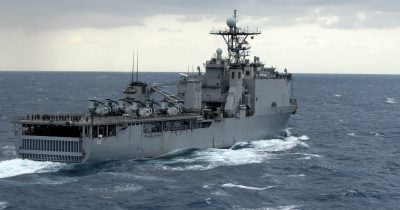
Iran's move comes at a moment when the US and Israel are already locked in a tense confrontation. The US has sent naval assets to the region, and Israel has conducted airstrikes against Iranian-linked targets in Syria. The strait closure adds a new front to the conflict — one that threatens the global economy directly.
For now, the waterway remains closed. The 11.5% probability on the prediction market suggests traders are not betting on a quick reopening.