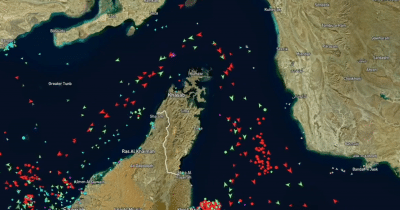
Iran shut the Strait of Hormuz to commercial shipping on Sunday, citing violations of a ceasefire by Israel. The move blocks a critical chokepoint for global oil shipments and could throw energy markets into turmoil — while potentially giving cryptocurrency a bigger role in cross-border trade.
Why the Strait of Hormuz matters
The narrow waterway between Oman and Iran is one of the world’s most important oil transit routes. Iran’s decision to close it effectively cuts off a major supply lane at a time when energy markets are already sensitive to geopolitical tensions. The Iranian government said the closure was a response to what it called Israeli violations of a ceasefire, though it did not specify which incidents triggered the action.
Oil volatility and the crypto angle
If the closure drags on, oil prices could spike — and that’s where cryptocurrency enters the picture. When traditional payment systems become unreliable or when a key commodity’s pricing is thrown into flux, traders often look for alternatives. Blockchain-based settlement systems, especially those using stablecoins, can keep trade flowing without relying on banks that might be tied to volatile fiat currencies or oil-backed reserves. It’s not a new idea, but a real-world stress test like this could accelerate adoption.
Right now there’s no sign of when the Strait will reopen. That uncertainty alone is enough to make crypto a more serious option for companies that need to move money across borders without waiting for the oil markets to calm down.