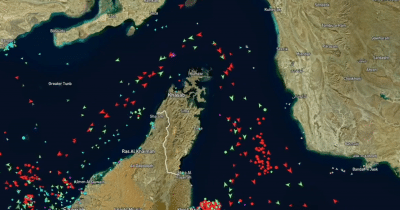
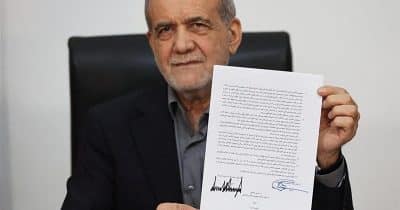
Lead: Iran's Islamic Revolutionary Guard Corps Navy shut down the Strait of Hormuz to all maritime traffic today, June 21, 2026, sparking immediate upheaval in both oil and cryptocurrency markets. The move, which blocks the world's most critical oil chokepoint, is already reshaping global energy dynamics and putting digital assets in a new geopolitical spotlight. Regulators are now scrambling to assess the implications for crypto.
The shutdown
The IRGC Navy announced the closure earlier today, halting all commercial shipping through the narrow waterway. Roughly 20% of the world's oil passes through the Strait, making the blockade one of the most aggressive actions by Iran in decades. No timeline for reopening has been given.
Oil markets under pressure
Crude prices surged immediately, with the disruption threatening to redraw global supply routes. The Strait is a vital corridor for Middle Eastern producers, and any prolonged closure could force buyers to seek alternative sources — a process that would take weeks or months. The timing is particularly acute given already tight inventories.
Crypto's geopolitical moment
Bitcoin and other digital assets also saw sharp moves as traders priced in the fallout. The Strait closure is the kind of geopolitical shock that some advocates have long argued could accelerate crypto adoption — as a borderless store of value or a hedge against fiat instability tied to oil. Whether this event truly pushes crypto deeper into mainstream geopolitics remains an open question, but the correlation is now impossible to ignore.
Regulatory scrutiny intensifies
The closure is prompting a fresh wave of regulatory attention on crypto. Policymakers are concerned about how digital assets might be used to bypass traditional financial sanctions or move value in ways that circumvent oil-linked payment systems. Expect hearings, emergency briefings, and possibly new rules in the coming days.
The next concrete step: oil markets will watch for any diplomatic backchannel or naval intervention. For crypto, the test is whether this event becomes a catalyst for real-world use — or just another volatility spike.