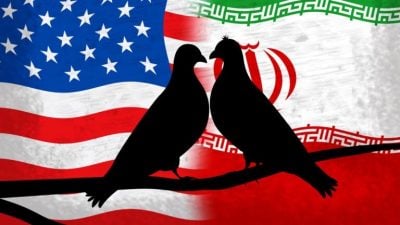
Iran's Foreign Ministry has confirmed a 14-point memorandum of understanding aimed at ending the war and establishing a transit agreement for the Strait of Hormuz. The deal sets concrete deadlines: 20 ships will cross the strait by May 31, and a ceasefire is scheduled for June 7.
The 14-Point Plan
The MOU, confirmed by the ministry, targets two main goals: an end to hostilities and a framework for maritime transit through the strategic waterway. It does not name the parties involved in the war or the transit talks, but the specific provisions suggest a bilateral or multilateral agreement. The document's 14 points cover both security and shipping arrangements, though their full text has not been released.
Transit Targets and Approval Metrics
A key operational element requires 20 vessels to pass through the Strait of Hormuz by May 31. That's a narrow window—just weeks from now. The MOU includes a reported approval metric of 54.5% linked to this transit provision. What that percentage measures isn't specified; it could reflect a compliance threshold, a polling figure, or a performance benchmark. Either way, it's a concrete number attached to a concrete deadline.
Ceasefire Schedule
The ceasefire is set for June 7, one week after the transit deadline. The MOU cites a 56% approval metric associated with this timeline. Again, the meaning of the percentage is unclear from the facts provided. It may represent the level of support among negotiating parties or a broader public approval rating. The ceasefire date is a clear milestone that follows the transit window—suggesting the maritime movement is a test or a precondition.
Neither the foreign ministry nor other officials have elaborated on the metrics. What's certain is that the MOU ties both transit and peace to specific numbers and dates. That's unusual in diplomatic documents, which often use vague language. Here, the numbers stand out.
The Strait of Hormuz is a critical chokepoint for global oil shipments. Any agreement affecting its use carries economic and strategic weight. The 20-ship transit by May 31 would be a visible test of the deal's feasibility.
What comes next? The foreign ministry has not announced a formal implementation body or monitoring mechanism. With the transit deadline just weeks away, practical steps—port coordination, naval clearance, vessel scheduling—will need to happen fast. The June 7 ceasefire date leaves even less room for delay. Whether the approval metrics translate into real action remains the open question.