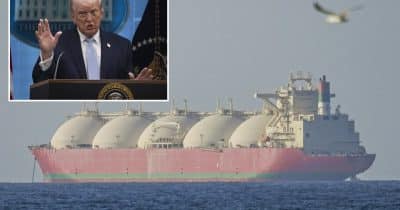
Iran has confirmed that it digitally signed an agreement with the United States, marking a diplomatic first between the two countries. Teams in Geneva are now preparing to travel as part of the next steps.
The move signals a potential shift in a relationship long defined by confrontation. Observers say the digital signing could help ease regional tensions and ripple through global energy markets.
Digital signing breaks with tradition
Instead of a formal in-person ceremony, the agreement was signed electronically. That choice itself is unusual for an accord between nations that have not had direct diplomatic ties for decades. Iran's confirmation came through state media, which described the process as a practical step given the current circumstances.
The digital format allowed both sides to finalize the text without face-to-face meetings. It also removed the need for a neutral venue—at least for the signing stage. Geneva will now host the next phase, with teams from both countries expected to meet there.
Geneva delegation signals next phase
Iranian officials said that staff are already preparing for travel to Geneva. The exact date hasn't been announced, but preparations are underway. The Swiss city has often served as a site for US-Iran talks, including past nuclear negotiations.
The delegation's trip suggests that the agreement moves beyond the digital signature into implementation. How that will work in practice remains unclear, but the Geneva meeting is expected to hash out details.
Energy markets watch closely
The agreement's potential impact on global energy markets is already being discussed. Iran holds some of the world's largest oil and gas reserves. Any easing of tensions could affect supply expectations and prices.
Market analysts are cautious. A digital signing does not automatically mean sanctions relief or a flood of Iranian oil. But the shift in tone is notable. Traders are waiting for concrete steps, such as the Geneva meeting's outcomes, before adjusting positions.
Regional stability also factors in. A less confrontational US-Iran relationship could reduce friction in the Persian Gulf and beyond. That would have knock-on effects on shipping costs and insurance premiums for crude carriers.
The digital signing is a first, but it's just the beginning. The Geneva trip will show whether this new method of diplomacy can produce lasting results.