Iran has confirmed it will not hold nuclear talks with the United States, leaving a diplomatic impasse that could prolong tensions across the Middle East and beyond. The announcement, made by Iranian officials, comes amid a months-long standoff over Tehran's advancing nuclear program and the failure of indirect negotiations to restart the 2015 nuclear deal. With no clear path to dialogue, the stalemate threatens to ripple through global security and economic stability.
Confirmation from Tehran
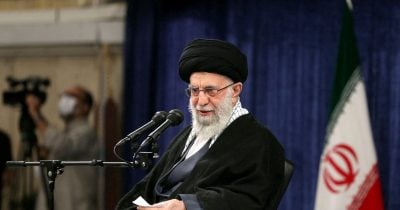
Iran's government stated publicly that no negotiations with the US are planned or underway, effectively closing the door on diplomatic engagement for now. The confirmation follows repeated calls from Washington for a return to talks, but Tehran has insisted on conditions that the US has not met, including the full lifting of sanctions. The lack of direct communication leaves a vacuum that analysts say could fuel miscalculations on both sides.
For months, European and Gulf mediators tried to bridge differences, but those efforts have stalled. Iran's position appears hardened, with its foreign ministry repeatedly ruling out bilateral discussions while the US maintains what it calls a maximum-pressure policy. The result is a standoff with no obvious off-ramp.
Stalemate's Broader Implications
The diplomatic deadlock could have far-reaching consequences. Regional tensions, already high due to Iran's proxy activities in Yemen, Syria, and Iraq, may intensify. Without a nuclear deal, Tehran is expected to continue enriching uranium at levels that approach weapons-grade, which could trigger a crisis with Israel and Gulf states. The US has warned of potential military action if diplomacy fails entirely, but the current impasse leaves little room for a peaceful resolution.
Beyond the Middle East, the stalemate affects global security architecture. The breakdown of the nuclear agreement erodes trust in multilateral nonproliferation efforts. Countries in Asia and Europe that rely on stable energy markets also watch nervously, as any escalation could disrupt oil shipments through the Strait of Hormuz.
Impact on Global Security and Economic Stability
The standoff's economic weight is already being felt. Oil prices have remained volatile, with traders factoring in the risk of supply disruptions. If tensions escalate, the global economy could face higher energy costs and inflationary pressures. Central banks, already grappling with post-pandemic recovery, would have to contend with another source of uncertainty.
On the security front, the stalemate weakens international norms against nuclear proliferation. Iran's continued enrichment without a framework for oversight raises the risk that other states in the region might pursue their own nuclear ambitions. The US has deployed additional naval assets to the Gulf, a sign that it expects the situation to remain tense for the foreseeable future.
For now, there is no scheduled date for resuming talks. The gap between the two sides remains as wide as ever, and neither appears willing to make the first move. The next few months will show whether the standoff holds or cracks appear—but the confirmation from Tehran leaves little room for optimism.