The ongoing conflict involving Iran has driven global food prices to their highest level in three years, according to a new report from the United Nations. The surge comes as the fighting disrupts oil and food supplies, adding to strain on already fragile supply chains.
Economic ripple effects
The UN report warns that the conflict is worsening global economic instability. Higher food costs are feeding inflation across both developed and developing nations, making it harder for central banks to manage monetary policy. The report doesn't give specific figures but notes the price spike is the sharpest since early 2022.
Supply chains under pressure
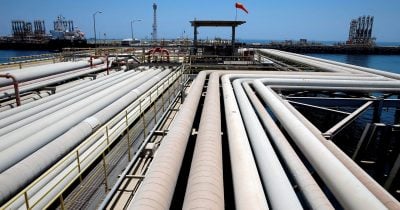
Iran's role in the conflict has directly hit two critical supply lines: energy and agriculture. Oil shipments from the region have been disrupted, pushing up fuel costs that then get passed through to food production and transport. At the same time, grain and other staple exports from the area have slowed, reducing global inventories.
The UN didn't name specific countries affected, but the pattern is familiar. When food and energy prices rise together, the poorest households take the hardest hit. Import-dependent nations in Africa and South Asia are likely feeling the pinch first.
Monetary policy complications
For central bankers, the food-price jump creates a dilemma. Inflation is already sticky in many economies, and a new supply shock could force them to keep interest rates higher for longer. That risks slowing growth even as consumers struggle with higher grocery bills. The UN report describes the situation as a 'complex challenge' for policymakers, though it offers no prescriptions.
The conflict itself shows no signs of easing. As long as fighting continues, the report suggests, food and energy markets will remain volatile. Whether governments can cushion the blow — through subsidies, price controls, or strategic reserves — is an open question.