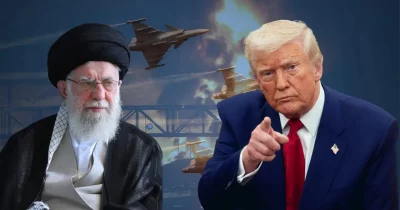
The ongoing conflict with Iran is putting new pressure on already tight energy markets, just as former President Donald Trump prepares to travel to China for high-level discussions. The situation has sharpened calls for stronger global energy diplomacy and a faster pivot toward renewable resources.
Oil prices under pressure
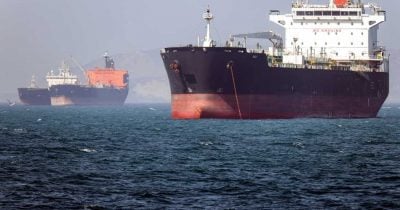
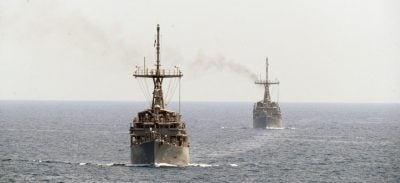
Crude benchmarks have edged higher in recent weeks as disruptions linked to the Iran conflict threaten supply routes out of the Middle East. Traders are watching for any escalation that could choke off shipments through the Strait of Hormuz, a chokepoint for about a fifth of the world’s oil. The market’s nervousness reflects a broader reality: the global energy system remains heavily dependent on a region where geopolitical risk is persistent.
Trump’s China trip and the energy dimension
Trump’s planned visit to Beijing comes at a delicate moment. While the official agenda has not been detailed, energy cooperation is widely expected to be a topic. China is the world’s largest importer of crude, and its demand trajectory matters for global prices. The meeting gives both sides a chance to discuss supply stability — and possibly to coordinate on how to manage the fallout from the Iran crisis without triggering a price spike that could hurt their economies.
Renewables as a diplomatic tool
The current tensions have revived arguments that diversifying away from fossil fuels is not just an environmental goal but a strategic one. Policymakers in several capitals are pushing to accelerate investments in solar, wind, and battery storage, arguing that dependence on oil from volatile regions leaves countries vulnerable. The urgency for global energy diplomacy, the facts suggest, is now tied directly to the pace of the renewable transition.
What comes next
No date has been set for Trump’s departure, but the talks in China are expected to take place within weeks. Whether they produce concrete steps on energy coordination or remain a broad discussion will be a key test of whether diplomacy can keep pace with the risks emerging from the Iran conflict.