Iran control over the Strait of Hormuz reshapes regional calculus
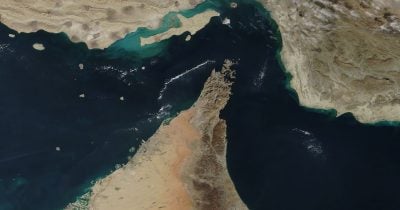
Tehran announced on Monday that it has solidified its grip on the strategic waterway linking the Persian Gulf with the Arabian Sea. The move, framed as a sovereign right to secure national interests, sends a clear signal that any diplomatic overture between Washington and Tehran will now face a steeper hill. With more than 20% of the world’s oil passing through the narrow channel, Iran’s assertion raises immediate concerns for global energy markets.
Why the Strait matters: economic stakes and security dilemmas
Every day, roughly 21 million barrels of crude oil and countless commercial vessels navigate the 21‑mile passage. A single disruption can shave up to $2 billion off daily global trade. According to the International Energy Agency, a 5% dip in flow through the strait could spike oil prices by $3‑$5 per barrel within weeks. The question on every analyst’s mind is simple: can the United States and its allies maintain a free‑flow guarantee when Iran declares de‑facto control?
Complicating the US‑imposed blockade
Washington has enforced a naval presence in the region for years, aiming to deter Iranian aggression and protect shipping lanes. Yet Iran’s recent deployment of coastal missile batteries and patrol craft has turned the strait into a chessboard of power projection. The United Nations has called for “unhindered navigation,” but enforcement now hinges on diplomatic leverage rather than sheer force.
- Iran claims the right to monitor all traffic within 12 nautical miles of its coast.
- The US Navy conducts regular freedom‑of‑navigation operations, citing international law.
- European carriers have begun rerouting vessels, adding up to 12 extra hours per voyage.
Impact on US‑Iran negotiations and sanctions relief
Negotiators in Vienna have been juggling nuclear talks, yet the strait issue introduces a new variable. When Iran says it controls the passage, it also hints that any easing of sanctions may be contingent on recognition of that authority. Experts warn that the bargaining chip could stall progress for months, if not years. As former State Department adviser Linda Thomas‑Greenfield notes, “Control of the Hormuz corridor has always been a lever for Tehran; now they’re pulling it more overtly.”
Regional reactions: allies, rivals, and the global community
Saudi Arabia and the United Arab Emirates have publicly condemned Tehran’s stance, urging multinational forces to intervene if navigation is threatened. Meanwhile, Russia and China, both major oil importers, have called for dialogue and cautioned against escalation. The divergence underscores how the strait serves as a flashpoint where local rivalries intersect with great‑power interests.
Potential scenarios for the next six months
- Diplomatic de‑escalation: Tehran agrees to a joint monitoring mechanism, easing immediate tension while retaining strategic leverage.
- Standoff intensifies: Both sides increase naval patrols, raising the risk of accidental clashes and prompting insurance premiums to soar.
- Economic rerouting: Major shippers shift to longer routes around the Cape of Good Hope, inflating shipping costs and impacting global consumer prices.
What does this mean for global energy security?
Even a modest slowdown in Hormuz traffic can ripple through markets. A Bloomberg analysis estimates that a 10% reduction in flow could add roughly 0.4% to global inflation within a year, as oil‑dependent economies grapple with higher fuel costs. Investors are already pricing in a risk premium, with oil futures showing a 6% premium over baseline expectations.
Conclusion: Iran control over the Strait of Hormuz reshapes the negotiation table
In sum, Tehran’s declaration of authority over the narrow waterway is more than a regional footnote—it’s a decisive factor that could dictate the pace of US‑Iran talks and influence worldwide energy stability. Stakeholders from policymakers to market participants must now factor this new reality into their strategies. Stay informed, and watch how diplomatic channels adapt to this evolving maritime challenge.