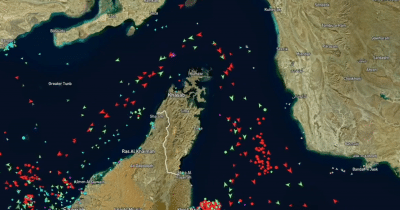
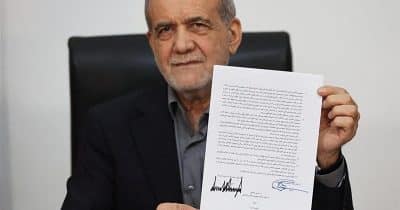
Iran's Khatam al-Anbiya Central Headquarters ordered the closure of the Strait of Hormuz to vessel traffic on June 20, 2026, citing alleged violations of the Islamabad Memorandum of Understanding by the United States and Israel. The move was described as a 'first step' in response to breaches of the ceasefire agreement, with warnings of further measures to come.
A 'First Step' With Teeth
The announcement, made by the military command responsible for Iran's strategic defense, directly links the waterway's shutdown to what Tehran calls violations of the Islamabad Memorandum. That agreement, signed earlier this year, had established a ceasefire framework. The Khatam al-Anbiya statement did not specify which actions triggered the closure but accused both Washington and Tel Aviv of undermining the deal. The phrasing—'first step'—signals that Iran is prepared to escalate if it sees continued non-compliance.
The 20 Million Barrel Chokepoint
Roughly 20 million barrels of oil pass through the Strait of Hormuz every day, making up an estimated 20-25% of all seaborne crude trade globally. The narrow channel between the Persian Gulf and the Gulf of Oman is also a critical route for liquefied natural gas exports from Qatar and the UAE. Any disruption here tends to send energy prices and shipping costs spiking, as past confrontations in the region have shown. Tanker operators, insurers, and commodity traders are now watching for signs of enforcement—whether Iran will physically stop vessels or rely on diplomatic threats.
Unanswered Questions About Enforcement
The Khatam al-Anbiya statement did not detail how the closure would be implemented. Iran's navy and Revolutionary Guard have the capacity to patrol the strait and board ships, but a full blockade would risk direct confrontation with the U.S. Navy's Fifth Fleet, which operates in the area. The 'first step' language suggests Tehran may start with inspections or selective denial of passage before a blanket ban. Meanwhile, the U.S. and Israel have not yet issued formal responses, though the Biden administration has previously warned that any attempt to close the strait would be considered a red line.
For global markets, the immediate question is how long the closure lasts. Even a brief shutdown—days, not weeks—could ripple through supply chains already strained by other geopolitical tensions. The Strait of Hormuz handled about a fifth of the world's petroleum consumption in 2025, and alternative shipping routes, like the Bab el-Mandeb, have their own security risks. Traders are bracing for volatility, and some analysts expect military escorts or rerouted cargoes if the situation drags on.
Iran has not set a timeline for lifting the closure, nor specified what concrete steps from the U.S. or Israel would satisfy its demands. The absence of a clear off-ramp makes the coming days critical. The next move—whether a diplomatic backchannel or a naval response—will define the cost of this 'first step.'