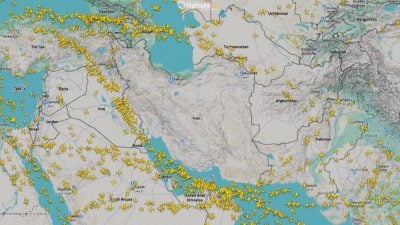
Iran has issued a new set of demands that would require the United States to lift all economic sanctions and hand over control of the Strait of Hormuz, according to reports emerging from stalled diplomatic negotiations. The move threatens to further escalate tensions in a region already on edge, with potential ripple effects across global oil markets.
What Iran is asking for
Tehran's latest position paper, presented during talks that have made little headway, calls for Washington to fully remove sanctions imposed since 2018. Beyond that, Iran wants the U.S. to cede operational command of the Strait of Hormuz—the narrow waterway through which about a fifth of the world's oil passes. Control of the strait is currently shared between Iran and several Gulf states, with the U.S. Navy maintaining a significant presence.
The demands go well beyond what diplomats had anticipated and appear to be a maximalist bargaining stance. Negotiators from other countries involved in the talks have expressed frustration, with some describing the request as a non-starter.
Why the talks are stuck
The underlying issue is a lack of trust. The U.S. reimposed sanctions after withdrawing from the 2015 nuclear deal, and Iran has since enriched uranium beyond agreed limits. Both sides accuse each other of bad faith. The new demands effectively widen the gap, making a near-term resolution seem unlikely.
One Western diplomat involved in the discussions said the proposal “wasn't serious” and suggested Iran might be trying to buy time or force a crisis. No official statement from the White House or State Department has been issued yet.
How oil markets are reacting
Oil prices edged higher in early trading as traders priced in the risk of a disruption at Hormuz. A prolonged standoff could push crude above $100 a barrel, though analysts warn such estimates remain speculative. The strait sees roughly 17 million barrels of oil pass through daily, making any threat to its stability a major concern for importing nations.
Shipping insurers have already begun raising premiums for vessels transiting the Gulf, and some operators are considering rerouting. The U.S. Fifth Fleet, based in Bahrain, has not altered its posture but is monitoring the situation.
What happens next
No new round of talks has been scheduled. The U.S. has not publicly responded to the demands, and Iran shows no sign of softening its position. For now, the diplomatic track remains cold while the military and economic stakes continue to rise.
The immediate question is whether the U.S. will reject the demands outright—a move that could push Iran closer to direct confrontation—or attempt to restart a conversation. Neither option looks easy.