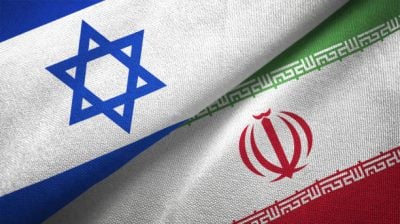
Iran has laid out a sweeping set of demands in ongoing peace negotiations, calling on the United States to pay war reparations and formally recognize Tehran's sovereignty over the Strait of Hormuz. The demands, if pursued, threaten to escalate already-high geopolitical tensions and send shockwaves through global oil markets.
What Iran Is Asking For
The demands, disclosed Friday by officials familiar with the talks, go far beyond the nuclear and sanctions issues that have dominated previous rounds. Tehran is seeking compensation for what it calls decades of US-led military and economic aggression—a figure it has not publicly specified. It also insists that any final agreement must acknowledge Iran's exclusive control over the Strait of Hormuz, the narrow waterway that carries roughly 20 million barrels of oil each day.
The reparation request is unusual in modern diplomacy. War reparations are typically imposed on a defeated power after a conflict. Here, Iran is framing the demand as a condition for ending what it calls a state of US hostility, not as a penalty for a war it lost. The US has not yet issued a formal response.
The Strategic Prize: Strait of Hormuz
The Strait of Hormuz is one of the world's most critical energy chokepoints. At its narrowest, the waterway is just 21 miles wide. Tankers carrying crude from Saudi Arabia, Iraq, Kuwait, the UAE and Iran itself squeeze through daily. Any disruption there—whether by mines, naval clashes, or a blockade—could spike oil prices within hours.
Iran has long used its proximity to the strait as a bargaining chip. In the past, it has threatened to close the passage in response to sanctions or military pressure. Formal recognition of sovereignty would give Tehran a legal cudgel to restrict or tax shipping, fundamentally altering the energy supply chain. The US Navy's Fifth Fleet, based in nearby Bahrain, has for decades guaranteed free passage through the strait. That arrangement would be thrown into doubt.
Oil traders are already watching closely. The mere possibility of a confrontation over the strait tends to push futures higher. If the talks collapse or if Iran moves to enforce its claim, analysts expect a sharp price surge. Higher crude costs quickly feed into gasoline, heating oil, and downstream products, adding to inflation pressures that are already stubborn in many economies.
Central banks, which have been raising interest rates to cool price growth, could face a new headache. A prolonged oil shock might force them to choose between fighting inflation and protecting growth. No one is predicting that outcome yet, but the risk is now on the table.
The broader Middle East balance of power is also at stake. Iran's demand for sovereignty over the strait challenges the post-1979 status quo, in which the US and its allies maintain freedom of navigation. Gulf Arab states, which have been cautiously normalizing ties with Iran, may see the demand as a direct threat to their own oil exports. That could fracture existing diplomatic efforts.
The next round of talks is expected within weeks. The US has not signaled any willingness to discuss reparations or cede control of the strait. The question now is whether Iran will soften its stance or double down, pushing the region closer to a crisis.