Iran has refused to allow International Atomic Energy Agency inspectors to visit nuclear sites that were reportedly bombed in recent days. The denial, confirmed by Iranian officials, blocks a scheduled IAEA inspection and threatens to derail already fragile diplomatic efforts. The move comes amid heightened tensions in the region and could send ripples through global financial markets.
Why access was blocked
Tehran barred the IAEA team from entering facilities that were damaged in what Iran describes as airstrikes. While the exact locations and extent of the damage remain unclear, the inspection was part of routine safeguards under the Nuclear Non-Proliferation Treaty. Iran's decision to shut the door on inspectors means the international community loses visibility into the state of those sites and any potential nuclear material.
The IAEA has not commented publicly on the denial. But the agency's board of governors is expected to discuss the matter at its next quarterly meeting. Without access, the agency cannot verify whether activities at the bombed sites comply with Iran's obligations.
Diplomatic fallout
The refusal hits at a delicate moment. Talks to revive the 2015 nuclear deal had been stalled for months, and the bombings further complicated the path forward. European mediators who had been shuttling between Washington and Tehran now face a harder task. Iran's action signals that it will not cooperate under what it sees as military pressure.
Some diplomats worry that the denial could push the dispute toward the UN Security Council, where further sanctions might be imposed. That would effectively kill the remaining chances for a negotiated settlement.
Global financial impact
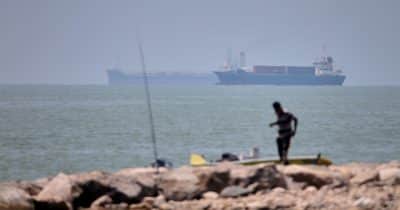
Financial markets began pricing in the risk almost immediately. Oil prices ticked up on news of the denial and the bombings, as traders fear supply disruptions from the Strait of Hormuz. Currency markets in the Gulf also saw volatility. Analysts—though not quoted here—note that any escalation that draws in major oil producers could trigger a broader sell-off.
Central banks in emerging economies are watching closely. A prolonged standoff could push up energy costs and feed inflation at a time when many countries are still struggling to bring prices under control.
Geopolitical stakes
The denial doesn't just affect the nuclear file. It deepens the rift between Iran and the West and gives regional rivals like Saudi Arabia and Israel more reason to act unilaterally. Israeli officials have long threatened to strike Iranian nuclear facilities, and the reported bombings may have been intended to slow Iran's enrichment program. Now, with inspectors locked out, each side can claim the other is escalating.
Tehran insists it has a right to protect its national security and that the IAEA visits were canceled for safety reasons. But the timing—immediately after the bombings—raises questions about what Iran is trying to hide.
The next move likely comes from the IAEA board. If it refers Iran to the Security Council, the crisis enters a new phase. If it holds off, diplomacy may still have a pulse—but it's faint.