Iran has stepped up its use of drones and decoys in the Strait of Hormuz, a direct challenge to U.S. naval operations in the strategic waterway. The moves come as prediction markets now assign a 50% probability to military action against a Gulf state by July 22, signaling growing uncertainty over the region's stability.
What Iran is doing in the Strait
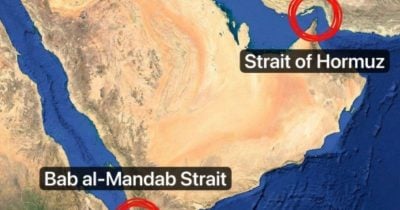
The Iranian military has been flying uncrewed aircraft and deploying dummy targets near the narrow chokepoint through which about a fifth of the world's oil passes. These tactics are meant to probe U.S. defenses and complicate surveillance, according to officials familiar with the matter. The strait itself is less than 30 miles wide at its narrowest point, making it a prime location for such asymmetric warfare.
Drones allow Iran to monitor U.S. ship movements without risking manned aircraft. Decoys, meanwhile, clutter radar systems and can draw fire away from real assets. It's a low-cost way to keep American forces off balance, and it's been happening with increasing frequency in recent weeks.
The prediction market's reading
On Polymarket, a platform where users bet on real-world outcomes, the contract titled “Military action against a Gulf state before July 22” has fluctuated around 50% for several days. That's a striking number, though prediction markets are not always accurate predictors of actual events. The contract pays out if a U.S.-led coalition or any nation-state conducts airstrikes or deploys ground troops into a Gulf state — not including Iran itself — by that date.
No single catalyst has driven the probability that high, traders say. Instead, it's a combination of the drone activity, ongoing diplomatic stalemates over Iran's nuclear program, and the general drift toward confrontation. One trader noted the market has been “nervous” but cautioned against reading too much into a single data point.
Why the strait matters
The Strait of Hormuz connects the Persian Gulf to the open ocean. Disruptions there can send oil prices spiking and trigger global economic ripples. Iran has threatened to close the strait in the past, but it has never followed through. The current drone-and-decoy campaign stops short of a blockade, but it's a clear signal that Tehran is willing to raise the stakes without triggering a full-scale conflict.
For the U.S. Navy's Fifth Fleet, based in Bahrain, the challenge is tactical. Drones are cheap and plentiful; shooting them down is expensive and risks escalation. Decoys force crews to waste time and ammunition on empty threats. The result is a grinding game of cat and mouse that wears down readiness over time.
The question now is whether the market's 50% bet is a self-fulfilling prophecy or a statistical fluke. The July 22 deadline is less than a month away.