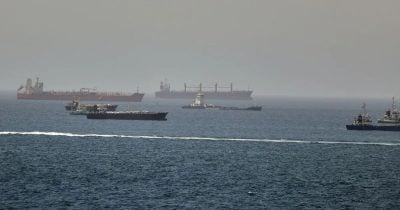
Iran has moved submarines into the Strait of Hormuz, a narrow waterway that carries roughly a fifth of the world's oil, ratcheting up military pressure on the United States. The deployment, confirmed by Iranian naval officials this week, comes as diplomatic channels between Tehran and Washington remain frozen and regional security has grown increasingly brittle.
Why the strait matters
The Strait of Hormuz is only 21 miles wide at its narrowest point. Tankers leaving Saudi Arabia, Iraq, Kuwait, the UAE, and Qatar all pass through it. Any disruption — even a brief one — would send oil prices climbing and ripple through global supply chains. Iran has threatened to close the strait before, but moving submarines into the channel is a more direct, tactical step. Submarines are hard to detect and harder to neutralize. They turn the strait into a potential shooting gallery, not just a chokepoint.
Iran hasn't said exactly how many vessels are involved, nor their specific mission. But the message is clear: Tehran is willing to put hardware in the water, not just words on paper.
The risk of escalation
This isn't a drill. The US Fifth Fleet is based in Bahrain, just a few hours' sail from the strait. American and allied warships patrol the area routinely. A submarine encounter — a close pass, a misinterpreted sonar ping, a collision — could ignite a fight neither side wants but both have prepared for. The line between posturing and combat is thin here. One miscalculation, and the whole region could slide into open conflict.
Iran has a history of asymmetric naval tactics: speedboat swarms, mine-laying, anti-ship missiles. Adding submarines expands that toolbox. The US has superior anti-submarine warfare capability, but the strait's shallow waters and heavy traffic make detection messy. Both sides know the other is looking for a reason to escalate. Now they're sharing the same crowded bathtub.
What's at stake for global oil
Oil markets are already jittery. The deployment adds a new layer of uncertainty to a market wrestling with production cuts and shaky demand. About 17 million barrels of crude pass through the Strait of Hormuz every day. If even a fraction of that flow is blocked, prices could spike within hours. Fuel-dependent economies — especially in Asia — would feel it first and hardest.
Iran's submarines don't have to fire a shot to cause economic damage. The mere presence of an undetected threat forces insurance rates up, delays shipping, and pushes traders to price in risk. The real cost of this move may not be measured in casualties but in barrels.
The US has not publicly responded to the submarine deployment beyond routine monitoring statements. No additional naval assets have been announced. For now, the strait remains open. But the submarines are down there, hidden, waiting. That silence is the most dangerous part.