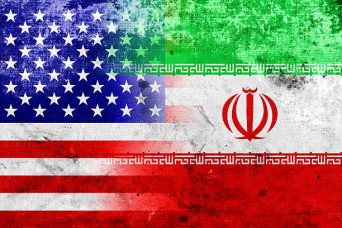
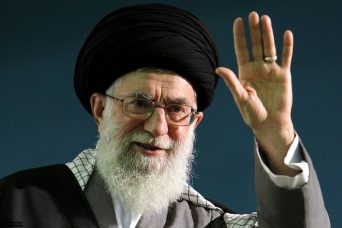
Iran has removed a key element from the US proposal in ongoing nuclear negotiations — the removal of its enriched uranium stockpile. The move throws a wrench into talks already strained by mistrust and could delay any potential agreement, deepening geopolitical tensions in the Middle East.
Why uranium removal was a sticking point
For months, the US proposal had insisted that Iran ship out or dilute much of its enriched uranium to curb its ability to quickly produce a nuclear weapon. That condition was central to the deal framework. By excluding it, Iran signals it's unwilling to give up what it sees as a bargaining chip and a right to enrich for civilian energy. The uranium issue is not new — it's been the hardest nut to crack since negotiations resumed.
The move doesn't kill the talks outright, but it makes the path forward much narrower. Negotiators now have to either find a compromise on stockpile limits or accept a weaker deal that leaves Iran closer to breakout capacity. Neither option sits well with the US or its allies.
What the exclusion means for the talks
The US proposal had been crafted to roll back Iran's nuclear progress in exchange for sanctions relief. Without uranium removal, the core trade-off is lost. Iranian officials have argued that their enrichment program is peaceful and has only grown since the US withdrew from the 2015 nuclear deal in 2018. They now want recognition of that growth, not dismantlement.
European mediators, who've been shuttling between Washington and Tehran, had hoped to bridge the gap with phased steps. That approach now looks harder. Iran's exclusion suggests it's testing how far the US will bend to get a deal before the November US elections — a deadline that adds political pressure on both sides.
Prolonged tensions and regional fallout
The standoff doesn't just affect the nuclear track. It fuels broader instability across the region. Israel has threatened unilateral strikes if diplomacy fails, and Gulf Arab states are nervously watching. Iran's move could also embolden its proxies, who see Washington's leverage shrinking.
For now, the International Atomic Energy Agency continues to monitor Iran's facilities, but inspectors have reported restricted access. Without a deal, Iran's stockpile of enriched uranium grows — the very thing the US proposal aimed to stop.
The next round of talks is expected to address this sticking point, though no date has been set. Both sides have signaled a willingness to keep negotiating, but the gap over uranium removal remains the widest split in the room.