A protester's execution
Sadeghi's death is a stark signal from Tehran that dissent will not be tolerated. The decision to execute a protester goes beyond typical arrests or crackdowns. It is a deliberate statement, meant to deter others from taking part in demonstrations. But that statement carries risk. The execution could easily become a rallying point for those already angry at the regime.
Domestic unrest has been a persistent concern for Iran's leadership. The execution may intensify that unrest, turning a single death into a symbol of resistance. The regime's ability to control the narrative will be tested as word of the execution spreads.
Domestic fallout
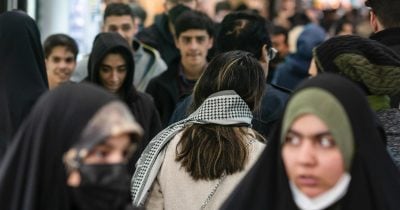
The potential for escalated protests is real. The execution could inflame public anger, especially among younger Iranians who have been at the forefront of recent demonstrations. While the regime has used force before, executing a protester is a different level of severity. It could backfire, galvanizing a movement that has already shown resilience.
The regime's stability is at stake. The fact that the execution may destabilize the regime suggests that even the authorities recognize the risk. But they may have calculated that a show of force is better than appearing weak. That calculation could prove wrong.
Geopolitical tensions
The execution comes amid ongoing friction with the United States. The two countries have a long