Iran is taking advantage of a shortage of missile interceptors to increase pressure on key shipping lanes, according to Prof. Pape. The assessment, from a political scientist who studies maritime security, points to a strategic shift in how Tehran is using its naval and paramilitary forces.
The interceptor gap
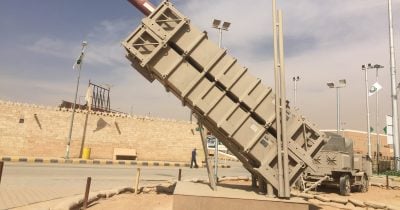
Interceptor missiles are the primary defense against anti-ship missiles and drones, which Iran has deployed in large numbers. Pape argues that a global shortfall in these defensive weapons — driven by high demand from conflicts elsewhere — has created a window Tehran is eager to exploit. Without enough interceptors to protect every vessel, navies are forced to prioritize, leaving some shipping routes more vulnerable.
How Iran is applying pressure
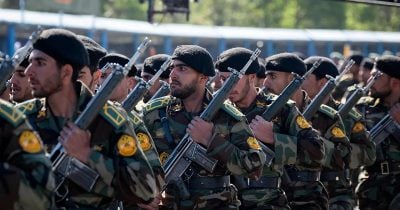
Iranian forces have stepped up harassment of commercial ships in the Persian Gulf and the Strait of Hormuz, Pape said. The tactic isn't new, but the context is: Iran now believes it can act with less risk of immediate military response because defending nations lack the interceptor stockpiles to cover all their assets. The pressure includes close passes by fast boats, temporary seizures, and threats to shipping insurance, all designed to raise costs and uncertainty for global trade.
What's at stake
The Strait of Hormuz handles about a fifth of the world's oil supply. Any sustained disruption there would send energy prices climbing and could trigger a broader economic slowdown. Pape's warning comes as the U.S. and its allies are already stretched thin supplying interceptors to Ukraine and Israel. The shortage isn't just a military problem — it's a commercial one.
Next moves
Pape did not specify how long the interceptor shortage might last or what steps the U.S. Navy and partner forces are taking to close the gap. But the question now is whether production can ramp up fast enough to deter further Iranian escalation — or whether Tehran will keep pushing until it meets a response it didn't expect.