The Ceasefire's Precarious Balance
The ceasefire, which has brought a tentative pause to hostilities, is already under strain. Neither side appears ready to commit to a lasting arrangement, and any escalation could shatter the quiet. Iran's wariness reflects a recognition that the current calm is not a foundation for broader stability but a temporary reprieve that could collapse under external pressure.
The deal, however fragile, has allowed for a reduction in violence and the opening of limited channels for humanitarian aid. But its durability hinges on both parties' willingness to hold fire. An uptick in US pressure could be seen by hardliners in Tehran as a signal that Washington is not serious about peace, prompting a retaliatory posture that would unravel the agreement.
Economic Pain as a Political Trigger
The economic dimension is central to Iran's concerns. Sanctions and financial restrictions have already crippled key sectors, and the prospect of additional measures threatens to push the economy toward a breaking point. The cost of basic goods would climb, the currency would weaken further, and the state's capacity to provide subsidies or services would shrink. That combination has historically been a catalyst for unrest, and the leadership in Tehran is acutely aware of the pattern.
Public anger, if it were to boil over, would not only complicate the regime's internal control but also weaken its negotiating position. A government facing street demonstrations is less able to make concessions or project strength on the international stage. That dynamic could trap both sides in a cycle of escalation, where each pressure tactic breeds a harder-line response.
Iran's economy has already contracted significantly in recent years, with inflation running high and unemployment among young people particularly acute. Additional sanctions would hit the oil and banking sectors hardest, cutting off vital revenue streams and making it harder for ordinary citizens to access imported goods. The result would be a sharper squeeze on living standards, and with that, a greater risk of social upheaval.
Regional and Global Ripple Effects
The stakes extend well beyond Iran's borders. A destabilized Iran would likely draw in neighboring states, either through proxy conflicts or direct intervention, turning a fragile ceasefire into a wider conflagration. Diplomatic efforts to resolve outstanding disputes, already delicate, would lose momentum as attention shifts to crisis management. The international community, which has invested in containing the conflict, would find its options narrowed.
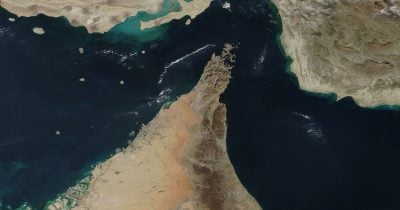
Global economic and security dynamics are also in play. Iran sits on critical energy routes, and any disruption could rattle oil markets and supply chains. Security arrangements across the Middle East could be recalibrated, with implications for arms control, non-proliferation, and counterterrorism cooperation. The world's major powers, each with their own interests in the region, would be forced to recalibrate their strategies.
For Washington, the choice is not simply between pressure and restraint. A heavy-handed approach risks alienating allies who favor diplomacy, while a soft line might embolden Tehran. The coming weeks will test whether the ceasefire can survive the pressure, and whether the US chooses to ease or tighten the screws. The outcome will hinge on decisions made in