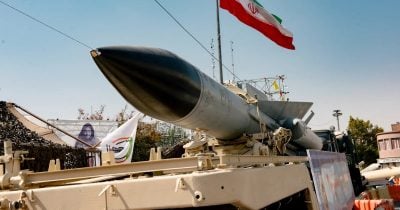
Iran and Israel traded fresh airstrikes today as the conflict reached its 101st day, with diplomatic efforts failing to broker a ceasefire. The escalation jolted risk assets, sending Bitcoin sharply lower and pushing the Fear & Greed Index into extreme fear territory.
Why the conflict rattles crypto
The fighting directly threatens global oil chokepoints, raising inflation expectations. Crypto has been trading as a risk-on asset, so geopolitical shocks typically drive a flight to cash or gold. But some analysts point to second-order effects: if central banks ease policy to stabilize economies, Bitcoin could eventually benefit as a hard-money alternative. Past geopolitical shocks, such as the Russia-Ukraine war, caused sharp but short-lived crypto sell-offs, often followed by a recovery as investors sought hedges against fiat uncertainty. For now, the market is in extreme fear — a level that historically has preceded major bottoms.
📊 Market Data Snapshot
Traders brace for more intraday swings
Short-term traders should expect sharp volatility. A liquidity sweep into the lower support zone could be followed by a recovery if buy-side volume appears. The intelligence notes that much of the bad news may already be priced in given oversold conditions. A direct hit on energy infrastructure could push oil prices sharply higher and drag Bitcoin to fresh lows, but the extent of the damage may be limited unless the conflict widens to include direct US involvement. Traders are watching the $60k area as a line in the sand.
The forgotten factor: Iran's miners
Iran accounts for a notable portion of global Bitcoin hash rate, thanks to cheap energy. If airstrikes target power plants, mining output could drop sharply, triggering a difficulty adjustment within days. That could create a temporary supply crunch, potentially bullish for price if demand holds. At the same time, Iranian miners may be forced to sell holdings to finance imports as sanctions tighten, adding hidden sell-side pressure that could dampen any relief bounce.
Stablecoins signal capital flight
Tether is trading at a premium on Iranian OTC exchanges, indicating a rush to convert devaluing rial into crypto. That demand creates a natural buy wall that counteracts Western risk-off selling. The media often focuses on crypto drops during war fears, but these inflows represent real new demand from a sanctioned economy — a bullish indicator that tends to get overlooked.
The next concrete trigger: any sign of de-escalation — a UN ceasefire call or Saudi-mediated talks — could spark a sharp reversal. Until then, traders are watching for the next round of airstrikes and the impact on energy markets.