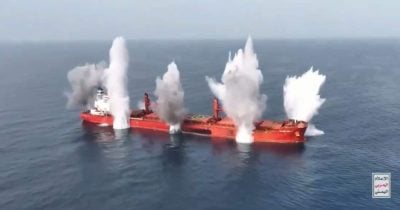
Iran is holding the Strait of Hormuz shut, refusing to reopen the world's most critical oil passageway until the United States satisfies the terms of an existing deal. The prolonged closure is already tightening global energy supply and pushing crude prices higher, while economies that depend on imported fuel feel the strain.
Why the Strait Stays Shut
Iran's position is clear: the waterway stays closed until Washington delivers on the conditions attached to the agreement. No official timetable has been given for when those conditions might be met, and there's no sign of movement from either side. The strait, a narrow channel between the Persian Gulf and the Gulf of Oman, handles roughly a fifth of the world's oil shipments. Closing it is not a symbolic gesture—it cuts off a vital artery for crude and liquefied natural gas moving from the Middle East to the rest of the planet.
Iran has framed the closure as a response to unmet promises, but the standoff is now more than a diplomatic spat. With each day the passage stays shut, tankers reroute around longer, costlier paths. That extra time and fuel expense gets baked into the price of every barrel that does make it to market.
Global Energy Jitters
The immediate effect is on supply. Even before the closure, global markets were tight. Now they're tighter. Oil prices are climbing, and not just for physical cargoes—futures traders are pricing in the risk that the shutdown drags on. The longer the strait remains closed, the more acute the shortage becomes. Some refiners may have to trim output if they can't secure enough crude, which would ripple into diesel, jet fuel, and gasoline prices.
For energy importers, there's no easy workaround. Strategic reserves can be tapped for a while, but they're not infinite. And alternative suppliers—whether from the Americas or the North Sea—can't simply switch on more production overnight. The closure is a stress test for a global system that has little spare capacity to absorb shocks.
Import-Dependent Economies Feel the Pinch
The heaviest toll falls on countries that rely on imported energy to keep their economies running. Higher oil prices mean higher bills for everything from transportation to manufacturing. For developing nations already wrestling with inflation and debt, the added cost is a serious blow. Even wealthier countries aren't immune—they just have more cushion to absorb the hit. But every extra dollar per barrel is a tax on consumers and businesses alike.
The strain isn't just economic. Energy security is a political issue, and prolonged price spikes can fuel unrest. Governments facing elections or public discontent have limited options: they can subsidize fuel, but that drains budgets. Or they can let prices rise and take the political hit. Neither choice is easy.
No Timetable for Reopening
There's no public schedule for when the strait might reopen. Negotiations, if any are happening, are not being aired. Iran has tied the reopening to specific conditions, but those conditions haven't been spelled out in detail. That leaves the market guessing—and guessing is exactly what pushes prices higher.
For now, shippers and traders are left to watch the diplomatic channels for any hint of progress. The next concrete signal could come from either government, but no date has been set for talks. Until then, the strait stays shut, and the world pays the price.