Iran launched a drone strike targeting Kuwait on Thursday, sharply escalating the Gulf conflict and rattling an already volatile region. The attack threatens to draw in neighboring states and deepen the risk of a broader military confrontation.
The Strike
Details about the precise target inside Kuwait remain limited. What is clear is that the drone strike marks a significant departure from previous Iranian operations, which typically relied on proxies or cyberattacks. This direct assault on a Gulf state—Kuwait hosts a major U.S. military presence—signals a more aggressive posture from Tehran.
Kuwaiti authorities have not yet released casualty figures or damage assessments. Regional security sources say the drones were launched from Iranian territory, crossing into Kuwaiti airspace before being intercepted by air defense systems. At least one drone evaded interception and struck an unspecified location, according to those sources.
Regional Fallout
The strike is already sending shockwaves through the Gulf. Kuwait, a key member of the Gulf Cooperation Council, has long sought to maintain a neutral stance in the rivalry between Iran and the U.S.-backed coalition. That neutrality is now under threat. The attack could pressure Kuwait to request direct military assistance from allies, including the United States, which stations thousands of troops at Camp Arifjan and other bases inside the country.
Other Gulf states, including Saudi Arabia and the United Arab Emirates, are watching closely. Both have been targets of Iranian-linked drone and missile attacks in recent years. The new strike may force them to reassess their own defense postures and diplomatic engagements with Iran.
Economic Implications
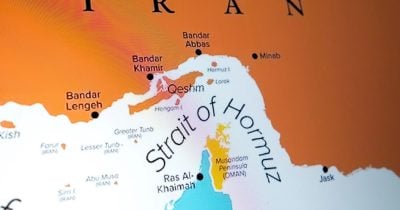
Markets reacted quickly. Oil prices jumped more than 3% in early trading as traders priced in the risk of supply disruptions. The Strait of Hormuz, a narrow waterway that handles roughly a quarter of global oil shipments, is less than 200 miles from the strike zone. Any escalation near that chokepoint could push crude prices higher.
Kuwait's currency and stock market also took a hit. The Kuwait Stock Exchange's main index fell 2.5% in the session after the attack, reflecting investor anxiety about the country's security outlook. The country's sovereign wealth fund, one of the world's largest, may face pressure to repatriate assets or pause overseas investments.
What Comes Next
Diplomatic channels are scrambling. The United Nations Security Council is expected to convene an emergency session, though divisions among permanent members—Russia and China have historically shielded Iran from harsh measures—could limit any resolution. The U.S. has condemned the strike and promised to support Kuwait's defense, but has not yet detailed any military response.
Iran's state media has not officially claimed responsibility, but the timing—coinciding with stalled nuclear talks and heightened rhetoric over Israel's military posture—suggests a calculated move. The key question now is how Kuwait responds. If it invokes Article 51 of the U.N. Charter, the right to self-defense, it could request allied military strikes against Iranian launch sites. That would risk a spiral that no one in the region can afford.