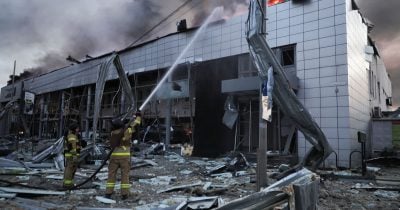
Iran has launched large-scale attacks on US military forces stationed in Kuwait and Bahrain, marking a dramatic escalation that threatens to destabilize global energy markets, spark a broader military conflict, and deepen diplomatic rifts across the Middle East. The strikes, which targeted American personnel and assets in both Gulf states, represent the most direct Iranian assault on US troops in the region in years. No immediate casualty figures have been released, but the scale of the operation suggests a deliberate move to raise the stakes in a long-running confrontation.
Ripple Effects on Global Energy Markets
The Gulf hosts some of the world's largest oil production and transit routes. Any large-scale military action in the region quickly sends tremors through energy markets. With Iran hitting forces in Kuwait and Bahrain, two key US allies sitting on significant oil reserves, traders are already bracing for supply disruptions. The Strait of Hormuz, a chokepoint for about a fifth of global oil shipments, lies just east of the attack zone. Even the threat of a closure could drive crude prices sharply higher, hitting economies worldwide.
The Risk of a Wider War
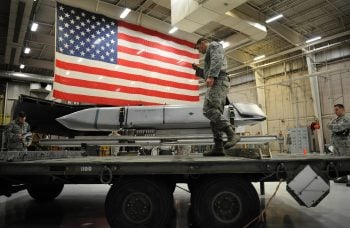
Direct attacks on US forces in two countries raise the odds of a broader military confrontation. The United States maintains major bases in Kuwait – Camp Arifjan and other facilities – and Bahrain hosts the US Navy's Fifth Fleet. These are not peripheral targets. A response from Washington is widely expected, and any US retaliation could pull in allies such as Saudi Arabia, the United Arab Emirates, and perhaps even Israel. Iran's calculation seems to be that hitting multiple sites at once forces the US to make a difficult choice between a limited strike and a full-scale campaign. Either option carries the risk of conflicts spreading beyond the Gulf.
Diplomatic Strains on the International Stage
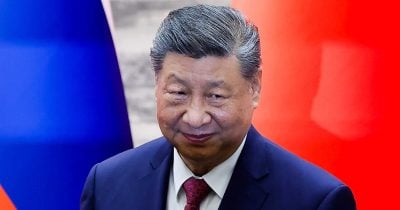
The attacks also place enormous strain on international diplomatic relations. While the US and its Western allies are likely to condemn the action and push for sanctions at the United Nations, countries with closer ties to Iran – such as Russia and China – may call for restraint from both sides. The strikes could fracture already fragile negotiations over Iran's nuclear program and its regional influence. European powers, desperate to avoid another Middle Eastern war, now face the difficult task of keeping channels open while backing their American partner. The credibility of international institutions like the UN Security Council will be tested as they try to respond without further inflaming tensions.
The immediate question is whether Iran will follow up with additional strikes or wait for the US response. Washington has not yet announced its next move, but military officials in the Gulf have been put on high alert. The days ahead will show whether this escalation is a one-time warning or the beginning of a longer and more dangerous cycle.