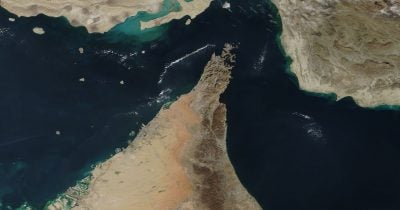
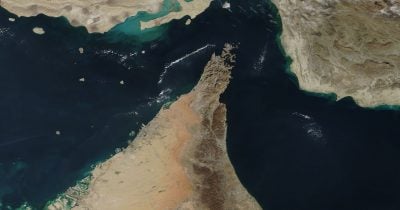
Iran fired missiles at US naval vessels in the Strait of Hormuz on Tuesday, dramatically escalating military tensions in one of the world's most vital waterways. The attack, which targeted American ships patrolling the narrow passage, marks a direct confrontation that could ripple through global energy markets and upend diplomatic efforts in the region.
Attack in the Strait
Details of the assault remain limited, but the strike involved multiple missiles launched from Iranian positions aimed at US Navy ships. The US military has not yet released a full damage assessment or casualty figures. The Strait of Hormuz, a 21-mile-wide chokepoint connecting the Persian Gulf to the open ocean, sees about a fifth of the world's oil traffic pass through its waters daily. Any sustained disruption here sends shockwaves through global supply chains.
The attack didn't come out of nowhere—tensions in the region have been simmering for months. But this is the first time Iran has directly targeted US warships in the strait, crossing a line that had held since the 1980s Tanker War.
Threat to Global Trade
Global oil markets are already watching the situation closely. The strait is the only maritime route for crude exports from Saudi Arabia, Iraq, the UAE, Kuwait, and Iran itself. Even a temporary closure could push oil prices sharply higher, hitting consumers worldwide. Insurance premiums for tankers transiting the region are expected to spike, and shipping companies may reroute vessels around the Arabian Peninsula—adding days and millions of dollars in costs.
The US Navy has kept a constant presence in the strait for decades, escorting commercial ships and ensuring freedom of navigation. That mission just got a lot more dangerous.
Diplomatic Complications
The attack complicates already fragile diplomatic efforts. International talks aimed at de-escalating the broader US-Iran standoff have been stalled for weeks. Now negotiators face a crisis that makes compromise harder. Washington has called for an emergency session of the UN Security Council, but with veto powers on both sides of the issue, a unified response is far from guaranteed.
Iran's government has not publicly commented on the strike. Analysts familiar with the region say the move may be a calculated attempt to pressure the US into concessions—or a signal that Tehran is willing to risk a wider war.
Impact on Regional Stability
Neighboring Gulf states are caught in the middle. Saudi Arabia and the UAE have long relied on US security guarantees to keep the strait open. If those guarantees look shaky, they may accelerate their own military buildup or seek alternative export routes. Meanwhile, Iraq and Qatar, which have good relations with both Washington and Tehran, face an increasingly impossible balancing act.
The attack also raises the risk of miscalculation. A single errant missile hitting a civilian tanker could trigger a cascade of retaliation. Naval commanders on both sides are now operating with hair-trigger rules of engagement.
What comes next is unclear. The US could respond with airstrikes on Iranian missile sites, impose new sanctions, or tighten the naval blockade. Iran, in turn, could mine the strait or launch more attacks. For now, the world waits—and watches the price at the pump.