Iran launched missile attacks on Israel today, a direct military action that signals aggressive ambitions and threatens to escalate tensions across the Middle East. The strikes, which targeted multiple locations, mark a significant departure from the shadow-war tactics Tehran has used in recent years.
What the attack reveals about Iran's strategy
By moving from proxies and cyber operations to direct missile fire, Iran is showing a willingness to take risks it previously avoided. The attack wasn't a measured retaliation — it was a deliberate escalation. Analysts who track regional military dynamics say the choice of targets and the scale of the volley suggest a calculated effort to test Israel's defenses and send a message about Iran's reach.
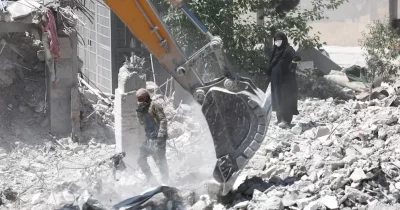
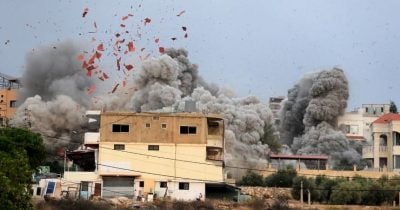
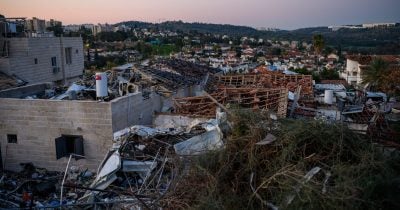
Israel's air defense systems intercepted a portion of the incoming missiles, but some hit their marks. The extent of damage and casualties hasn't been fully confirmed. Emergency services are still assessing the situation.
Why this escalation matters for the region
The attack could pull in other powers. The U.S. has forces stationed in the region and a longstanding commitment to Israel's security. European allies have also warned against any move that could ignite a broader conflict. Iran's leadership has framed the strikes as a response to Israeli operations against Iranian assets, but the scale goes far beyond a simple tit-for-tat.
Countries like Saudi Arabia and the United Arab Emirates, which have been cautiously normalizing ties with Israel, now face a harder diplomatic calculus. They don't want to be seen as siding against Iran, but they also have no interest in a war that disrupts oil flows or triggers refugee waves.
Potential military responses on the table
Israel has promised a firm response. Past patterns suggest airstrikes on Iranian military infrastructure or nuclear-related sites are possible. The Israeli Defense Forces have already moved to a higher state of readiness. A ground operation seems unlikely, but the range of options includes cyberattacks, targeted killings, or a sustained bombing campaign against Iranian air defenses and missile batteries.
Iran, meanwhile, has signaled it has more missiles and drones ready. The country's military command has warned of a second wave if Israel retaliates. That sets up a spiral of strikes and counterstrikes that could escalate quickly.
What happens next is unclear
No diplomatic off-ramp has emerged publicly. The United Nations Security Council is scheduled to meet, but no concrete resolution has been proposed. The immediate question is how Israel calibrates its response — and whether Iran will keep its word on further attacks. For now, both sides are bracing for what comes next.