Iran has carried out missile strikes against targets in the United Arab Emirates, escalating a conflict that already had the US and Iran on edge. The attack comes at a moment of heightened military and diplomatic friction between Washington and Tehran, threatening to roil oil markets and reshape alliances across the Middle East.
The strikes and immediate fallout
Details on the targets remain scarce, but the strikes mark a significant escalation — the first direct Iranian military action against the UAE in decades. The Emirati government did not immediately confirm casualties or damage, but regional security sources say the attack hit multiple sites. Iran's state media framed the operation as a response to what it called hostile activities, without specifying further.
For the UAE, a key US ally and a major oil exporter, this is a dangerous turn. The country has tried to balance its security relationship with Washington and its economic ties with Tehran. That tightrope just got a lot harder to walk.
Oil markets on edge
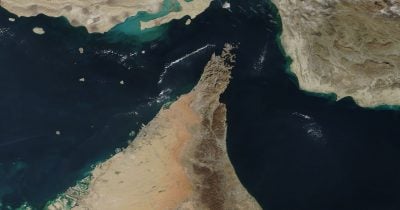
The strikes sent crude prices climbing in early trading. Analysts watching the situation say the Strait of Hormuz, through which roughly a fifth of the world's oil passes, is now squarely in the crosshairs. Any disruption there could spike prices globally and strain economies already dealing with inflation.
The International Energy Agency hasn't issued a formal statement yet, but traders are already pricing in risk. A prolonged conflict could push oil above $100 a barrel, though that depends heavily on whether the fighting spreads to maritime chokepoints.
Broader economic and strategic ripple effects
Beyond oil, the strikes threaten to destabilize an already fragile global economy. Supply chains that run through the Gulf — including shipping routes for consumer goods and natural gas — face new uncertainty. Central banks wrestling with interest rates now have another variable to factor in.
On the military side, the US has reinforced its naval presence in the region since tensions flared. The Pentagon hasn't announced a change in posture following the strikes, but allies are watching closely. The UAE may request additional air defenses or intelligence sharing. Iran's move also pressures other Gulf states to pick sides, something they've long tried to avoid.
Diplomatic options look narrow. The US has been pushing for a renewed nuclear deal with Iran, but those talks stalled months ago. The strikes make a restart even less likely. European mediators have expressed alarm, but no emergency session of the UN Security Council has been called yet.
What comes next
The immediate question is whether Iran will follow up with more strikes — and whether the UAE or the US will retaliate. Iran has signaled it considers the operation complete, but its rhetoric remains defiant. The UAE has not announced any military response, but its foreign ministry said the attack “will not go unanswered.” Those words, and the actions behind them, will determine whether this remains a one-off strike or spirals into a broader regional war.