Iran's leadership instability is stoking fears of a sharp turn toward militarization and deepening economic hardship, with ripple effects expected across the region and global markets. The uncertainty, driven by what analysts describe as a command crisis at the highest levels, has intensified speculation about potential regime change.
The command crisis at the top
The internal power struggle isn't new, but it's reached a critical point. A command crisis—where decision-making authority is contested or unclear—has paralyzed key policy moves. That vacuum, in turn, has fueled talk of a possible shift in leadership. No single faction appears able to consolidate control, leaving the country's direction uncertain.
This isn't just a domestic affair. When a nuclear-armed state's leadership gridlocks, neighbors take notice. Militarization often follows such vacuums, as hardliners push to project strength abroad to mask weakness at home.
Economic strain tightens
The crisis is already squeezing an economy battered by sanctions and inflation. With leadership distracted, efforts to stabilize the rial or attract foreign investment have stalled. Ordinary Iranians face rising prices and shrinking job prospects. The strain could push more people into poverty, further eroding public trust in the system.
Economic pain often accelerates political change. But in this case, it might also trigger a crackdown—or a lashing out. The regime has historically used military posturing to divert attention from domestic failures.
Regional and global ripples
Iran's instability doesn't stay inside its borders. Its proxies in Yemen, Syria, Lebanon, and Iraq rely on Tehran's guidance and funding. A weakened or distracted leadership could embolden rivals like Saudi Arabia and Israel, or prompt the U.S. to adjust its posture in the Gulf.
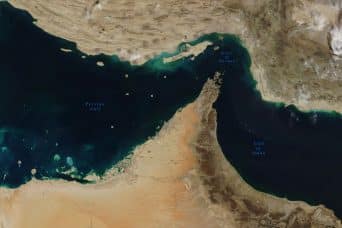
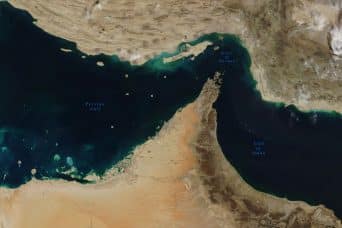
Global markets are watching too. Any sign of conflict or disruption to oil shipping lanes would send prices higher. Investors hate unpredictability, and Iran's command crisis is the definition of unpredictable.
The speculation about regime change adds another layer. Even if the current leadership survives, the perception of fragility could alter diplomatic calculations. Talks over the nuclear deal, already stalled, look even less likely to restart soon.
What happens next depends on how long the command crisis lasts—and whether the competing factions find a way to share power or simply force a confrontation. No one is betting on a quick resolution.