Evasive maneuvers in the Gulf
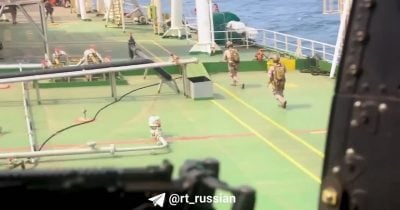
The tankers are changing course abruptly, using a zig-zag pattern to evade US naval forces. The tactic makes it harder for patrol vessels to predict the ships' paths and intercept them. The US blockade aims to disrupt Iranian oil exports and prevent weapons shipments, but the tankers keep testing the limits.
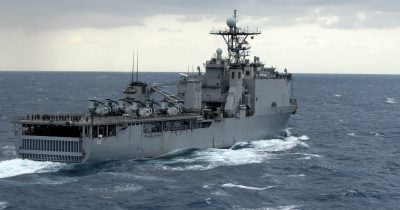
Zig-zagging is a common evasion method in waters where sanctions enforcement is active. It forces interceptors into lengthy pursuits, often at high speeds. The US Navy has maintained a presence in the Gulf, and the maneuvers are a direct response to that pressure.
Prediction market signals low odds of normalization
Data from a decentralized prediction market shows an 11.5% probability that the Strait of Hormuz will see normal traffic by the end of August. The figure comes from the price of contracts that pay out if the waterway is open to routine shipping by that date. Traders currently see a low chance of a resolution.
Prediction markets have become a way to gauge real-time geopolitical risk. The 11.5% implies that participants expect continued disruptions. If the situation improves, the price will rise; if it deteriorates, it will fall. For now, the market is betting on trouble.
Why the Strait matters
The Strait