Iran fired missiles at Israel, breaking the ceasefire that had held since April. Defense systems intercepted the incoming projectiles, but the strike marks a serious escalation between the two longtime adversaries.
Ceasefire Breached
The attack is the first direct military action by Iran against Israel since the April ceasefire took effect. That arrangement had quieted months of back-and-forth strikes and raised hopes for a broader diplomatic opening. Now those hopes are in doubt. The breach wasn't subtle — missiles were launched, skies lit up, and alarm systems blared across affected areas. Israeli defense systems responded quickly, intercepting most if not all of the warheads, but the political damage was immediate.
Defense Systems in Action
Interception occurred over Israeli territory, with multiple layers of air defense engaging the incoming missiles. No reports of casualties or major damage have emerged, suggesting the defense worked as designed. But the fact that Iran launched the strike at all signals a willingness to test the limits of the ceasefire. The attack didn't come from a proxy — it was a direct launch from Iranian soil. That distinction matters. Proxy attacks have been common for years; direct fire from Iran to Israel is rare and carries a different weight.
Diplomatic Fallout
Diplomatic efforts that had been quietly advancing now face a major hurdle. The ceasefire was a fragile achievement, brokered after months of indirect talks and pressure from third parties. Iran's decision to fire missiles undermines those talks. Negotiators who had been working on confidence-building measures will now have to reckon with a partner that just launched a strike. The United Nations and other international bodies are likely to weigh in, but the immediate reaction from Israel will shape what comes next. The Israeli government has not yet announced a response, but the country's military doctrine has long held that direct attacks invite immediate retaliation.
Market and Stability Concerns
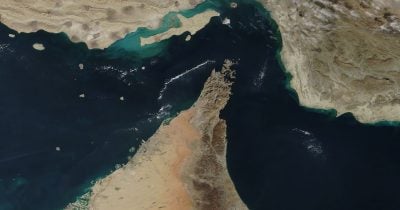
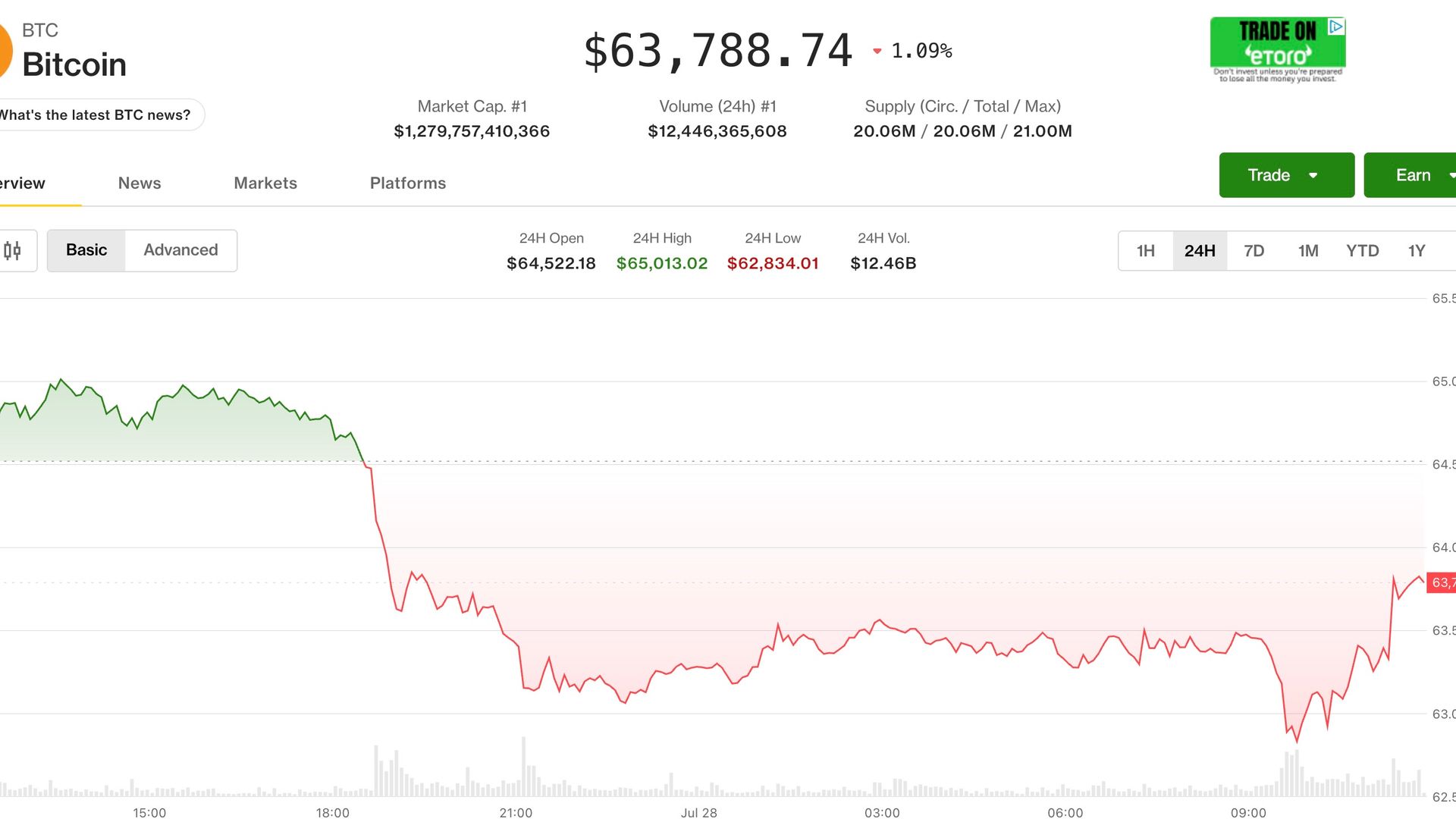
The strike also rattles markets. Investors had been pricing in a period of relative calm in the Middle East, with oil prices and regional currencies showing stability. That changed in hours. Crude oil futures ticked up on the news, and safe-haven assets like gold saw early gains. The broader concern is that a spiral — a retaliation, a counter-retaliation — could pull in other players and disrupt energy flows through the Strait of Hormuz. Nothing like that has happened yet, but the market's job is to price in possibilities. This event just added a big one.
What happens next depends on two things: how Israel chooses to respond, and whether Iran sees this strike as a one-off or the beginning of a new campaign. The ceasefire is broken. The question now is whether anyone can patch it back together.