Iran has floated a proposal to hand over some measure of control over the Strait of Hormuz as part of a fresh agreement with the United States. The offer, if pursued, could redraw the region's geopolitical map and send ripples through global energy markets that depend on the narrow waterway.
What Iran is proposing
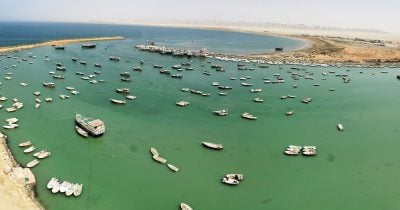
According to details emerging from diplomatic channels, Tehran is willing to cede a degree of authority over the Strait of Hormuz — the chokepoint through which about a fifth of the world's oil passes. The proposal is tied to broader negotiations for a new deal, though specifics on what the US would give in return remain unclear. Iranian officials have not publicly elaborated on the scope or timeline of the offer.
Geopolitical stakes
The strait has long been a flashpoint. Iran has threatened to block it in past standoffs, and the US Navy routinely patrols the waters to keep them open. If Tehran voluntarily reduces its grip, it could ease one of the most persistent sources of tension between the two countries. But skeptics warn that any concession from Iran might come with hidden conditions — or that the proposal could be a tactical move to gain leverage in other areas.
Energy transit at risk
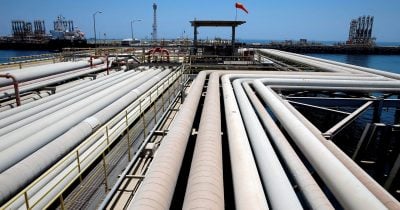
For global energy markets, the implications are immediate. Roughly 17 million barrels of crude and petroleum products transit the strait daily, much of it destined for Asia. Any change in who controls the waterway — or even the perception of instability — could shift insurance rates, shipping routes, and oil prices. Analysts following the talks say the proposal would need to include robust verification mechanisms to reassure tanker operators and trading houses.
Security concerns mount
Regional powers are watching closely. Saudi Arabia and the United Arab Emirates have long relied on the strait for their own exports. A deal that alters the status quo could prompt them to accelerate alternative pipeline projects or seek stronger security guarantees from Washington. Meanwhile, Iran's rivals may view the proposal as a sign of weakness — or a trap. The risk of miscalculation remains high.
The next step is whether the US engages seriously. No formal response has been issued from Washington, and the proposal has not been tabled at any public negotiating session. For now, the strait remains under the same tense watch it has been for decades.