Iran has signaled it is willing to reopen the Strait of Hormuz, the narrow waterway that carries about a fifth of the world's oil, but only if it receives transit fees and security guarantees. The offer, reported by state-linked media, comes after weeks of heightened tensions in the region and follows Iran's previous threats to close the strait in response to international sanctions.
Why the Strait matters
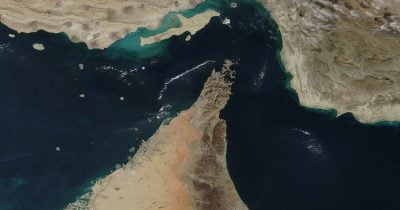
The Strait of Hormuz, a 21-mile-wide channel between Iran and Oman, is the most critical oil chokepoint on the planet. Roughly 17 million barrels of crude and petroleum products pass through it daily, according to the U.S. Energy Information Administration. Any disruption there can send global oil prices soaring and trigger economic ripple effects far beyond the Middle East. Iran's control over the strait's northern coast gives it the ability to disrupt traffic, a leverage it has used in past standoffs.
What Iran is demanding
Tehran's conditions for reopening the strait are twofold: payment of transit fees for vessels passing through its territorial waters, and security guarantees that protect Iranian interests. The demand for fees is a departure from the long-standing international legal principle of innocent passage, which allows ships to transit without paying. Iran has not specified how the fees would be calculated or collected, nor what form the security guarantees would take. The proposal appears aimed at both generating revenue and extracting concessions from the countries that rely on the strait, including major oil importers in Asia and Europe.
Potential implications for oil markets and diplomacy
The offer could ease immediate fears of a blockade, but it also introduces a new layer of uncertainty. If Iran follows through, it would effectively assert a right to tax international shipping, a move that could face legal challenges and pushback from the United States and its allies. The security guarantees Iran seeks are also vague — they could include demands for reduced sanctions or assurances against military action. Without a clear framework, the proposal may stall. Meanwhile, oil traders are watching closely. Benchmark crude prices have already fluctuated on every rumor about the strait's status. A formal reopening without a crisis would likely calm markets, but the conditions attached could keep the situation volatile.
No official response has come yet from the U.S. or other major maritime nations. The next steps will depend on whether Iran's conditions are seen as a negotiating starting point or a nonstarter. For now, the strait remains open, but the terms of its continued operation are suddenly up for discussion.