What Prompted Iran’s Decision?
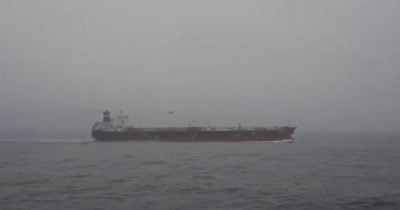
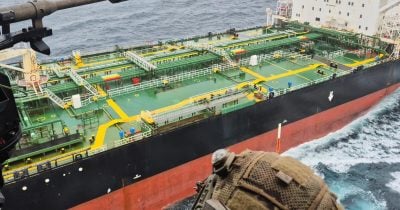
In a move that caught global markets off guard, Iran announced on April 16, 2026 that it would allow civilian ships to transit the Strait of Hormuz once again. The decision coincided with a fragile ceasefire in Lebanon, suggesting Tehran may be using the opening as a diplomatic lever. For the first time since 2020, oil tankers, container carriers, and bulk carriers can navigate the narrow waterway without fear of Iranian‑mandated closures.
Background: Why the Strait Matters
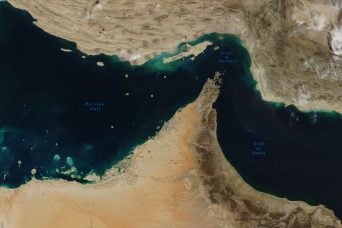
The Hormuz corridor is a chokepoint of outsized importance. Roughly 21 million barrels of oil – about 20% of the world’s daily supply – and an additional 5 million barrels of petroleum products pass through the 21‑nautical‑mile passage each day. Any disruption can instantly spike crude prices, as witnessed during the 2019‑2020 tensions when rates jumped more than $15 per barrel. The reopening therefore carries immediate implications for global energy security.
Ceasefire in Lebanon Sets the Stage
Negotiators in Beirut brokered a tentative ceasefire between Hezbollah and the Lebanese government earlier this month. While the truce remains precarious, it created a diplomatic window that Tehran appears eager to exploit. By signaling a willingness to ease maritime pressure, Iran may be hoping to secure concessions on the Lebanese front – perhaps a softer stance toward its regional allies or a loosening of sanctions that have hampered its own economy.
Diplomatic Signals and Geopolitical Implications
Analysts interpret the opening as a calculated gesture aimed at resetting Iran’s relationship with the West. "It’s a classic case of ‘give a little, ask for a lot,’" notes Dr. Laila Rahimi, senior fellow at the Middle East Policy Institute. The move could pave the way for renewed talks on the 2015 nuclear accord, especially if Washington signals a willingness to ease some of the most punitive sanctions.
Economic Ripple Effects and U.S. Policy
The economic fallout hinges largely on how the United States reacts. If Washington embraces the opening, shipping companies could see a 15‑20% reduction in freight rates along the Gulf‑Europe routes, according to a recent Lloyd’s Register analysis. Conversely, a hard‑line U.S. stance might keep insurance premiums high, dampening the anticipated boost.
- Potential $3‑4 billion annual gain for global oil exporters.
- Reduced shipping time by up to 48 hours compared with alternative routes around the Cape of Good Hope.
- Lowered risk premium for insurers, which could translate into cheaper cargo coverage.
U.S. Treasury officials have hinted at a conditional easing of secondary sanctions, but no formal policy shift has been announced yet. The next few weeks will reveal whether the Hormuz opening becomes a permanent fixture or a short‑lived tactical maneuver.
Expert Opinions and Future Outlook
Regional experts warn that the stability of this new shipping corridor is fragile. "If hostilities flare in Lebanon again, Iran could swiftly reverse course," cautions Ahmed Al‑Mansouri, a veteran maritime security consultant. Yet, the broader trend points toward a gradual de‑escalation in the Persian Gulf, driven by mutual economic interests and the ever‑growing cost of conflict.
Looking ahead, the reopening could become a barometer for Iran’s willingness to engage in broader diplomatic dialogues. The next round of United Nations Security Council meetings on Gulf security, scheduled for late summer, will likely reference Hormuz’s status as a litmus test for regional peace.
Conclusion: A Cautious Optimism for Global Trade
Iran’s decision to reopen the Strait of Hormuz to commercial vessels marks a noteworthy shift in Middle‑East geopolitics. While the move offers immediate relief for global oil markets and a potential avenue for diplomatic breakthroughs, its longevity depends on the fragile ceasefire in Lebanon and the United States’ policy choices. Stakeholders—from shipping firms to energy analysts—should monitor the evolving narrative closely, as the Hormuz corridor may soon become a key indicator of regional stability.
Stay informed, and keep an eye on how this development reshapes trade routes, energy prices, and diplomatic negotiations in the months to come.