The US Treasury confirmed Wednesday that Iran has committed to maintaining open transit through the Strait of Hormuz and to allowing inspections by the International Atomic Energy Agency. The pledges, if upheld, could lower the temperature in a region that has seen near-constant military posturing and disrupt supply chains for global oil shipments.
The Strait of Hormuz Commitment
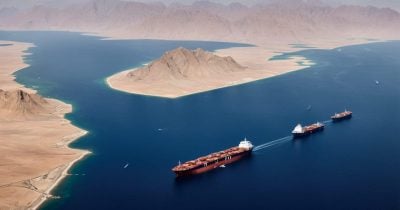
Iran's promise to keep the waterway open matters because roughly a fifth of the world's oil passes through that narrow channel between the Persian Gulf and the Gulf of Oman. Previous threats to block the strait have spiked crude prices and drawn naval responses from the US and its allies. The Treasury's announcement gave no details on how long the commitment lasts or what enforcement mechanisms exist. It simply stated that Iran has agreed to ensure 'unimpeded transit' through the strait, a phrase that has appeared in diplomatic notes but never before as a formal pledge tied to potential sanctions relief.
IAEA Inspections Resumed
The second part of the agreement involves the International Atomic Energy Agency. Iran will allow inspectors back to sites that had been off-limits since 2021. The IAEA has repeatedly warned that its monitoring capabilities have eroded, making it harder to verify whether Iran's nuclear program remains peaceful. Resuming inspections doesn't mean Iran is scaling back enrichment — it means the agency can again collect data and take samples. That alone could reduce the risk of miscalculation by giving the international community clearer visibility into Iran's activities.
Diplomatic Prospects
The Treasury framed both commitments as steps that 'may ease regional tensions and potentially foster diplomatic engagement.' That's cautious language. It stops short of claiming a breakthrough but leaves the door open for broader talks on the nuclear deal or other issues. For now, the immediate effect is a drop in the risk of military confrontation. Iran's navy has periodically harassed commercial vessels in the strait, and the US has responded with increased patrols. A binding commitment to keep the waterway open removes one flashpoint. Whether these pledges will lead to formal negotiations on a new nuclear agreement or sanctions relief is not yet clear.