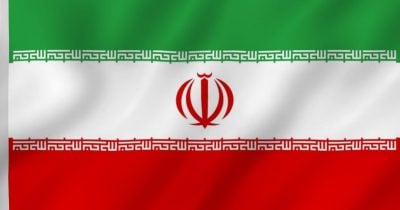
Iran has outlined a draft agreement with the United States that would exchange sanctions relief for limits on its nuclear program and provide reconstruction funding, according to details of the proposal. The potential deal, if finalized, could reshape geopolitical dynamics in the Middle East, ripple through global oil markets, and shift investor sentiment amid broader economic changes.
What the draft includes
The draft covers three main areas: sanctions relief, nuclear program restrictions, and reconstruction funding. Iran's proposal appears to link the lifting of US and international sanctions to verifiable steps on its nuclear activities — though no specifics on enrichment levels or inspection regimes have been released. The reconstruction funding component suggests a framework for international investment in Iran's economy, which has been battered by years of sanctions and isolation.
Neither side has publicly confirmed the full text of the draft. The proposal was presented in recent diplomatic channels, signaling Tehran's willingness to negotiate after months of stalled talks.
Geopolitical implications beyond the nuclear file
A deal of this scope would go beyond the 2015 Joint Comprehensive Plan of Action (JCPOA), which focused almost exclusively on nuclear restrictions. By bundling reconstruction aid and broad sanctions relief, Iran is seeking a more comprehensive reset with Washington. That could alter alliances in the region — potentially reducing tensions between Iran and Gulf states, and shifting the calculus for Israel, which has opposed any nuclear deal with Tehran.
The draft also arrives as the US is recalibrating its Middle East strategy. A formal agreement could pull Iran out of its economic isolation and open the door for Western energy companies to return, changing supply dynamics in the oil-rich region.
Oil markets on alert
Global oil traders are watching closely. Iran holds some of the world's largest proven crude reserves, but sanctions have kept its exports far below capacity. If sanctions relief is implemented, Iranian oil could re-enter international markets relatively quickly, adding supply and potentially depressing prices at a time when OPEC+ is managing output cuts.
The draft does not set a timeline for sanctions removal, leaving markets to guess when — or if — additional barrels will flow. Analysts note that even the prospect of a deal can influence futures pricing, as traders price in the possibility of more supply.
Investor sentiment amid economic shifts
For investors, the draft introduces a new variable in an already uncertain global economy. A US-Iran détente could lower geopolitical risk premiums on assets in the region and encourage capital flows into Iranian infrastructure, energy, and manufacturing sectors. But the deal is far from done. Skepticism remains high after the US withdrawal from the JCPOA in 2018 and Iran's subsequent nuclear advances.
International businesses are likely to adopt a wait-and-see approach until the draft gains formal backing from Washington and clears the US Congress. Any agreement would also need to survive political changes in both countries.
The draft now awaits a formal response from the US. It is unclear when — or if — talks will move toward signing a final agreement.