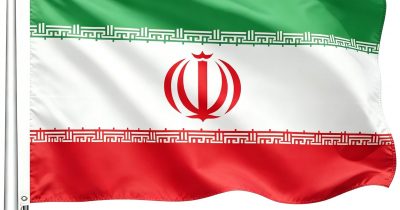
Iran has put forward a framework to restart shipping through the Strait of Hormuz and bring an end to the U.S.-led blockade, a move that could reshape energy markets and ease long-standing tensions in the Persian Gulf. The proposal, announced without a specific timeline or detailed terms, signals Tehran's willingness to engage on one of the region's most volatile flashpoints.
The proposal's stated goals
According to the outline released by Iranian officials, the framework is designed to reopen the strategic waterway to commercial traffic and lift what Tehran calls an illegal blockade. The plan reportedly includes mechanisms for verifying compliance and ensuring safe passage for tankers. No further breakdown of the framework's provisions has been made public.
The strait, a narrow channel between Iran and Oman, is a vital artery for global oil shipments. Any disruption there sends ripples through energy markets. By proposing a path back to normal operations, Iran is betting that stability in the waterway can serve as a foundation for broader negotiations.
If adopted, the framework could calm a market that has been rattled by periodic confrontations in the region. Energy traders have long worried about a sudden closure of the strait, which would choke off a significant portion of the world's crude supply. The proposal aims to remove that risk, potentially easing price volatility and reassuring importers from Asia to Europe.
The move also signals that Iran is ready to re-engage on issues that have kept foreign investment and trade at arm's length. A stable strait would lower insurance premiums for shippers and reduce the need for naval escorts—costs that have piled up since the blockade took effect.
Diplomatic channels and the bigger picture
Beyond economics, the framework opens a door for renewed dialogue between Iran and the United States, as well as regional players such as Saudi Arabia and the United Arab Emirates. Both have a direct stake in the free flow of oil through the strait. The proposal could serve as a confidence-building measure—a first step toward talks on other contentious issues, including Iran's nuclear program and its ballistic missile development.
For now, the ball is in Washington's court. The U.S. has not yet issued a formal response to the Iranian framework. Whether the proposal gains traction will depend on the willingness of both sides to move beyond the cycle of escalation that has defined relations in recent years.