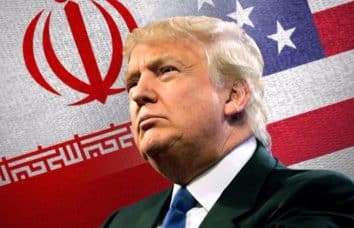
Iran proposes reopening Strait of Hormuz to ease tensions
During a high‑profile sovereignty dialogue with Russian President Vladimir Putin, Tehran announced a plan to restore free navigation through the Strait of Hormuz. The move, presented as a gesture to lower maritime friction, seeks to separate Iran's nuclear talks from shipping disputes and could reshape the fragile US‑Iran relationship. By uncoupling these two contentious issues, Iran hopes to signal a willingness for broader diplomatic engagement.
Why the Hormuz corridor matters to the global economy
Roughly 20% of the world’s oil supply and a similar share of liquefied natural gas flow through the narrow waterway each day. A disruption, even a brief one, can ripple through fuel prices, affect airline tickets, and trigger stock‑market volatility. According to the International Energy Agency, a six‑hour shutdown could shave $1.5 billion off daily oil revenues, underscoring why any change in the strait’s status draws immediate attention.
Potential impact on US‑Iran negotiations
Analysts are quick to point out that the proposal may not instantly transform US‑Iran relations. The United States has long linked any easing of sanctions to concrete steps on Tehran’s nuclear program. As former State Department official Lisa Curtis notes, “A humanitarian gesture in the Gulf does not automatically translate into progress on the nuclear front, but it does open a diplomatic back‑channel that could be useful.” Still, the offer could serve as a confidence‑building measure, allowing both sides to test goodwill without committing to larger concessions.
Skepticism from the market and security experts
Despite the diplomatic fanfare, oil traders have shown limited response. The Brent crude price barely budged after the announcement, reflecting market skepticism about the proposal’s immediacy. Security experts warn that the strait remains a flashpoint where naval vessels from the US, UK, and Iran routinely shadow each other. A 2023 study by the Center for Strategic and International Studies found that incidents in the Hormuz corridor increased by 12% during heightened regional tensions, suggesting that any reopening plan will need robust monitoring mechanisms.
What the reopening could look like in practice
- Joint maritime patrols involving Iranian, Russian, and possibly neutral third‑party vessels to ensure safe passage.
- Real‑time tracking of commercial ships via satellite, reducing the risk of accidental encounters.
- A transparent reporting framework shared with the International Maritime Organization (IMO) and major oil‑exporting nations.
These steps, while ambitious, would require coordination across multiple governments and could take months to operationalize. Yet, even a provisional arrangement could help de‑escalate the “dangerous game of brinkmanship” that has characterized the region for years.
Looking ahead: A tentative path toward reduced tensions
In the weeks to come, diplomats from Tehran, Moscow, and Washington will likely test the waters of this proposal. If the plan gains traction, it could pave the way for broader confidence‑building actions, such as humanitarian aid corridors or limited cultural exchanges. Conversely, a stall could reinforce the perception that Iran’s overtures are more rhetorical than practical.
Conclusion
Iran proposes reopening Strait of Hormuz as a strategic bid to defuse maritime tensions and separate shipping concerns from nuclear negotiations. While the initiative offers a potential avenue for easing US‑Iran relations, experts caution that immediate effects may be modest. Stakeholders should monitor how the proposal evolves, as its success—or failure—could influence global oil markets and regional stability for years to come. Stay informed and watch for updates on this developing story.