Iran is moving quickly to rebuild nuclear and missile facilities damaged by US strikes earlier this year, according to satellite imagery analyzed by multiple monitoring groups. The reconstruction effort, visible across several sites, is already raising fresh concerns about geopolitical stability and its ripple effects on global markets.
What the satellite images reveal
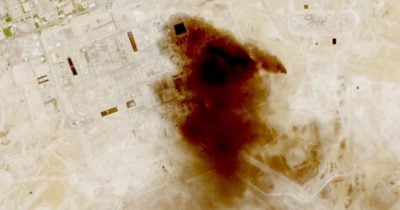
Recent commercial satellite photos show construction activity at key locations that were hit during US operations in 2025. Cranes, new concrete structures, and the movement of heavy equipment are visible at sites previously assessed as damaged or destroyed. Analysts tracking the imagery say the pace of rebuilding suggests Iran is prioritizing the restoration of its strategic military and nuclear infrastructure.
The images do not indicate whether the rebuilt facilities will be used for the same purposes as before, but the rapid work underscores Tehran's determination to maintain its capabilities. The exact scale of the damage from the US strikes has not been publicly detailed, but the visible reconstruction is a clear signal that Iran intends to recover quickly.
Geopolitical and market implications
The rebuilding comes at a time of heightened tension in the Middle East. Iran's nuclear and missile programs have long been a flashpoint in its relations with the United States and its allies. The new satellite evidence is likely to complicate any diplomatic efforts to de-escalate, and it adds to the uncertainty that investors already face in the region.
Global markets are sensitive to disruptions in the Persian Gulf, a corridor for a large share of the world's oil shipments. Any sign that conflict could resume or intensify tends to push crude prices higher and drive volatility in equities and currencies. The reconstruction of military sites, in particular, raises the risk of further strikes or retaliatory actions, which could disrupt supply chains and energy flows.
Policymakers in Washington and European capitals are now weighing their responses. The satellite data provides a real-time picture of Iran's activities, but it does not reveal intentions. Whether the rebuilding is a prelude to renewed negotiations or a step toward confrontation remains an open question.
Unresolved questions and next steps
The international community has not yet issued a formal reaction to the latest satellite findings. The International Atomic Energy Agency, which monitors Iran's nuclear commitments, has not commented on the imagery. Meanwhile, the US administration has not indicated whether it plans additional strikes or will pursue a diplomatic track.
For now, the satellite images offer a stark reminder that the military campaign earlier this year did not achieve a lasting halt to Iran's strategic programs. The speed of reconstruction suggests that any future engagement will have to account for a rapidly restored infrastructure. The next moves—whether from Tehran, Washington, or other capitals—will determine whether this rebuilding leads to a new round of tensions or a shift in strategy.