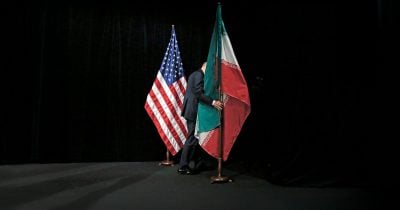
Iran has refused to reopen the Strait of Hormuz, a narrow waterway that carries about a fifth of the world's oil, as its confrontation with the United States intensifies. The decision, announced without a specific timeline, immediately sent ripples through global energy markets and raised the stakes for any diplomatic resolution.
Why the Strait Matters
The Strait of Hormuz sits between Iran and Oman, connecting the Persian Gulf to the Gulf of Oman and the open sea. Roughly 20 million barrels of crude oil and petroleum products pass through it every day. That's roughly 20% of global consumption. For Gulf states like Saudi Arabia, Iraq, Kuwait, and the UAE, it's the only practical route to export their oil. Iran's refusal to allow passage effectively blocks that chokepoint.
Iran has threatened to close the strait before, but this is the first time it has followed through with an outright refusal during a direct conflict with the US. The move is a sharp escalation. It doesn't just target American interests — it hits allies and neutral buyers too.
Oil Markets React
Oil prices jumped within hours of the announcement. Traders scrambled to assess how long the closure might last and whether alternative routes could compensate. The Strait of Hormuz has no real backup. Pipelines exist, but they have limited capacity. The only other option is to reroute tankers around the Arabian Peninsula, through the Bab el-Mandeb strait and the Suez Canal — a longer, costlier journey that adds days to delivery times.
That extra cost is already showing up in futures contracts. Analysts are watching strategic petroleum reserves, but those are meant for short-term emergencies, not a prolonged blockade. The longer the strait stays shut, the more pressure builds on supply chains.
Diplomatic Complications
The closure complicates an already tense diplomatic landscape. The US and Iran have been locked in a cycle of sanctions, military posturing, and failed negotiations. Now, with a key global shipping lane blocked, other nations are being dragged into the standoff. Countries that rely on Gulf oil — including US allies in Europe and Asia — are pressing for a resolution. But Iran's refusal leaves little room for compromise.
Diplomatic channels remain open, but no formal talks have been scheduled. The US has not publicly outlined a next step. Military intervention to reopen the strait would risk a wider war. Economic pressure through sanctions is already maxed out. The situation leaves diplomats with few options.
For now, the strait stays closed. Tankers sit idle or reroute. Oil markets are jittery. And the world waits to see who blinks first.