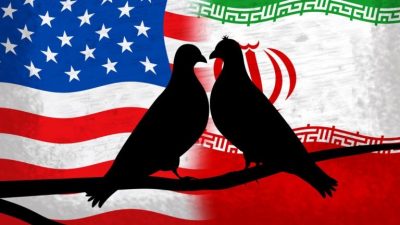
Iran's refusal to hand over its enriched uranium stockpile has brought U.S. nuclear negotiations to a standstill, according to officials familiar with the talks. The impasse marks the latest setback in months of efforts to revive the 2015 nuclear deal, known as the Joint Comprehensive Plan of Action (JCPOA).
The Sticking Point
At the heart of the dispute is Iran's insistence on retaining a significant portion of its enriched uranium, which the U.S. and other world powers say must be shipped out of the country or diluted under the terms of any renewed agreement. Tehran argues that its nuclear program is for peaceful purposes and that it has the right to maintain a domestic enrichment capability.
U.S. negotiators have made clear that any return to the JCPOA requires Iran to comply with the original deal's limits on uranium enrichment — including a cap of 3.67% purity and a stockpile of no more than 300 kilograms of enriched uranium hexafluoride. Iran currently holds several tons of enriched material, some at higher purity levels than allowed.
The refusal to surrender that material has created a deadlock. The head of the Iranian negotiating team said his country would not accept any agreement that forces it to give up its nuclear achievements. No alternative proposal has been publicly offered.
Impact on Negotiations
Talks in Vienna, which resumed earlier this year after a months-long pause, have now hit a wall. European mediators have shuttled between the two sides, but the uranium issue has proven too big to bridge. The U.S. has warned that without progress on the stockpile, broader talks on sanctions relief and regional security cannot move forward.
For the Biden administration, the stalemate is a political headache. The president campaigned on restoring the nuclear deal, but has faced criticism from both hawks who want a tougher line on Iran and from progressives who want a swift return to diplomacy. The uranium standoff gives ammunition to both camps.
Meanwhile, Iran continues to enrich uranium well beyond JCPOA limits. The International Atomic Energy Agency (IAEA) has reported that Iran now has enough enriched material to build several nuclear weapons within weeks, if it chose to. Tehran insists its program remains civilian.
What Comes Next
Diplomatic channels remain open, but no date has been set for the next round of talks. European officials have suggested that the window for a deal is closing. Iran has signaled it is in no rush, betting that the U.S. will eventually bend on the uranium question rather than walk away entirely.
The U.S. has not publicly laid out a fallback plan. The question now is whether Washington will accept a compromise that lets Iran hold onto some enriched uranium under strict monitoring — or whether it will hold firm, risking the collapse of talks altogether.