Iran has turned down a proposal from Oman aimed at managing maritime traffic through the Strait of Hormuz, instead reasserting its unilateral authority over the critical waterway. The move threatens to escalate tensions in a region already on edge and could send ripples through global oil markets.
Oman's Mediation Effort
Oman, a longtime diplomatic bridge in the Gulf, had put forward a framework to address navigation rights and security in the strait. The proposal sought to create a shared understanding between Iran and other littoral states, but Tehran dismissed it outright. Iranian officials did not provide a detailed explanation for the rejection, but they made clear that the strait falls under their sovereign jurisdiction and that no external arrangement would alter that stance.
Why the Strait Matters
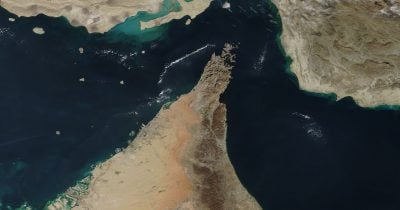
The Strait of Hormuz is a narrow passage between the Persian Gulf and the Gulf of Oman. Roughly one-fifth of the world's oil passes through it daily, making it one of the most strategically important chokepoints on the planet. Any disruption to shipping there can quickly drive up crude prices and trigger emergency talks among major consumers. Iran's renewed assertion of control raises the risk of confrontations with naval forces from the United States and other nations that patrol the area to ensure free passage.
Regional and Global Implications
Heightened tensions in the strait could spill into broader diplomatic standoffs. Gulf Arab states, which rely on the waterway for their oil exports, are likely to view Iran's move with alarm. The rejection of Omani mediation also sidelines one of the few channels that has kept communication open between Tehran and its neighbors. On the global stage, energy-importing countries may see this as a signal that supply routes are less secure than assumed, potentially prompting strategic reserve releases or renewed diplomatic pressure on Iran.
What Comes Next
No new talks have been announced. Oman has not indicated whether it will revise its proposal or seek alternative mediators. For now, the Strait of Hormuz remains under Iran's declared control, and the world's oil markets will watch closely for any signs of actual disruption. The next move likely belongs to the shipping industry and the navies that guarantee its passage.