Iran has formally rejected a U.S. demand to hand over its stockpile of enriched uranium, a move that further cements the diplomatic deadlock between the two nations and raises the temperature across the region.
Blunt refusal in Tehran
Iranian officials communicated the rejection in recent days, brushing aside what Washington had framed as a necessary step to curb Tehran's nuclear program. The demand was part of a broader push by the United States to force Iran to comply with nonproliferation terms far stricter than those in the 2015 nuclear deal, which the U.S. left in 2018.
Iran's position is that its uranium enrichment activities are permitted under international treaties and that any demand to surrender the material violates its sovereign rights. The rejection leaves no immediate path forward for talks, as each side insists the other must move first.
Stalemate with no exit ramp
Diplomatic channels between Iran and the United States have been largely frozen for years. The latest exchange, in which the U.S. made the demand and Iran flatly refused, underscores how wide the gap remains. Neither government has shown willingness to compromise on the core question of uranium enrichment.
For Washington, the refusal confirms its view that Iran is not negotiating in good faith. For Tehran, the demand itself is proof that the U.S. seeks total capitulation, not a negotiated settlement.
Regional jitters
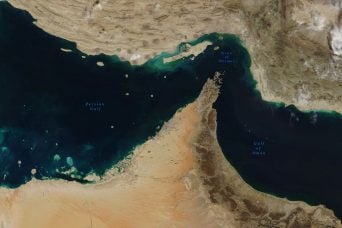
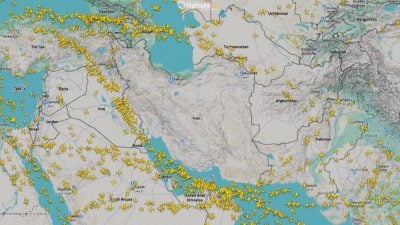
Neighboring countries are watching the standoff with unease. Gulf Arab states and Israel have long warned about Iran's nuclear advances, and the hardening of positions increases the risk of miscalculation. A military confrontation, while not imminent, is no longer unthinkable to analysts who track the region.
Iran's enrichment program has continued to expand in recent years, with the International Atomic Energy Agency reporting that Tehran now possesses enough enriched material to build several nuclear weapons, should it choose to weaponize it. Iran insists its program is peaceful.
What happens next
No new talks are scheduled. Both capitals appear dug in. The next concrete step may come at the United Nations, where the U.S. could push for a resolution condemning Iran's refusal, or at the IAEA, where inspectors are monitoring Iran's stockpile. For now, the diplomatic circuit remains silent, and the standoff continues.