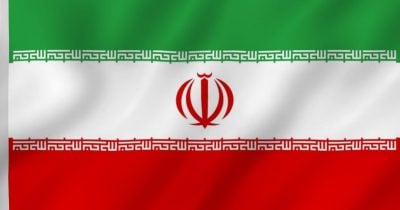
Iran has removed the nuclear issue from ongoing negotiations, a move that signals limited diplomatic progress and has shaken market confidence in a near-term deal with the United States. No final agreement has been reached, and the scope of talks has effectively narrowed.
Why the nuclear file was set aside
According to officials familiar with the discussions, Iran’s decision to take the nuclear question off the table came after weeks of stalled discussions. The shift leaves other bilateral issues—sanctions relief, regional security—still on the agenda, but removes the core point of contention that had defined US-Iran diplomacy since 2015. Without the nuclear component, any potential deal would be far narrower and less impactful than the original Joint Comprehensive Plan of Action.
Tehran hasn’t publicly explained the reasoning, but the move is widely seen as a strategic gambit to test Washington’s flexibility. The US side has not formally responded, though internal briefings suggest frustration with the lack of progress.
Market confidence takes a hit
The development rippled through commodity and currency markets almost immediately. Iranian rial futures dipped, and oil prices edged up on uncertainty about future supply constraints. Traders had been betting on a gradual easing of sanctions by mid-year; those bets are now being unwound.
“We’re looking at a much longer timeline,” one broker told Reuters. “The nuclear piece was the anchor for any serious deal. Without it, you’re left with a bunch of secondary issues that don’t move the needle for global markets.”
The lack of a final agreement also complicates planning for European and Asian firms that had started to explore re-entry into the Iranian market. Several energy companies had been quietly preparing for a post-sanctions environment; now those plans are on hold.
What’s left on the table
Despite the setback, talks continue on other fronts. Iran wants relief from banking restrictions and oil-export caps. The US wants assurances that Iran won’t accelerate its ballistic missile program or back proxy forces in the region. But those items are less likely to produce a breakthrough without the nuclear umbrella.
Diplomatic sources say the next round of discussions is scheduled for late April in Vienna, but no formal date has been set. Iran’s chief negotiator has indicated that his team is willing to discuss everything except the nuclear file—a position that US negotiators have called “non-starter language.”
The real question now is whether the US will accept a deal that sidelines the nuclear issue entirely, or whether the talks collapse under the weight of that exclusion. For now, the answer is unclear.