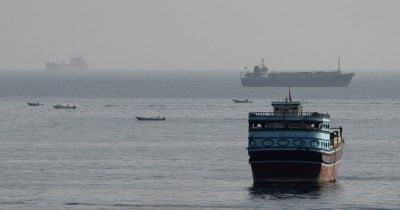
Iran has reopened the Strait of Hormuz, the narrow waterway that carries about a fifth of the world's oil, as negotiations with the United States remain underway. The move reverses weeks of heightened tension in the region after Tehran had threatened to block the strategic chokepoint.
Why the Strait Matters
The Strait of Hormuz connects the Persian Gulf to the Gulf of Oman and the open sea. Roughly 20 million barrels of crude oil pass through it daily, making it the most important oil transit route on the planet. Any disruption there sends shockwaves through global energy markets. Iran's decision to reopen the waterway eases immediate fears of supply shortages, but the underlying diplomatic standoff is far from resolved.
Ongoing Talks
Iran and the United States have been engaged in indirect negotiations, with mediators shuttling between the two sides. The reopening appears to be a goodwill gesture, though neither government has publicly confirmed a breakthrough. The talks are believed to focus on Iran's nuclear program and the lifting of economic sanctions. Washington has insisted on verifiable steps before any relief is granted; Tehran has demanded an end to what it calls 'maximum pressure' policies.
What Happens Next
With the strait now open, oil markets are watching for further signals. Shipping companies that had rerouted vessels or taken out extra insurance may begin to resume normal operations. But the situation remains fragile. If negotiations stall, Iran could again threaten the waterway. For now, the immediate crisis has passed, but the broader dispute over Iran's nuclear ambitions and regional influence continues without a clear resolution.