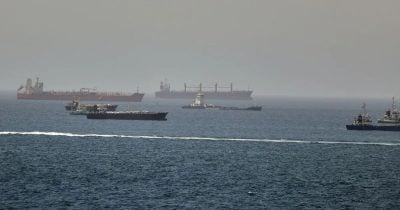
Iran has reopened the Strait of Hormuz, a narrow waterway that handles about a fifth of the world's oil shipments, as diplomatic talks with the United States press on over a possible end to the blockade.
Why the Strait Matters
The Strait of Hormuz links the Persian Gulf to the Gulf of Oman and the open ocean. Tankers carrying crude from Saudi Arabia, Iraq, the United Arab Emirates, Kuwait, and Iran itself must pass through it. A closure can send global energy prices spiking within hours. The reopening means crude can flow again without the threat of seizure or naval confrontation, at least for now.
Iran had effectively shut the chokepoint after a series of incidents. The exact timeline of the closure wasn't detailed, but commercial shippers had reported delays and rerouting. The US Navy's Fifth Fleet, based in Bahrain, had been monitoring the situation.
The Diplomatic Context
Talks between Washington and Tehran are ongoing. The US side has been pushing for a lift of the blockade as part of broader negotiations. Iran's decision to reopen the strait appears to be a gesture—or a precondition—for further discussions. No formal agreement has been announced, and the discussions remain behind closed doors.
The blockade itself was a response to US sanctions and a military buildup in the region. By reopening, Iran may be signaling a willingness to de-escalate. But the talks are fragile. The US has not publicly confirmed any concessions, and Iran's leadership in Tehran has made no promises beyond this move.
What Comes Next
Oil markets are watching closely. Brent crude futures dipped slightly on the news, but traders say the real test will be whether the strait stays open. The US and Iran have not set a deadline for the talks. The next round of discussions is expected within days, but neither side has confirmed a date or location.
For now, ships are moving again through the strait. Whether that lasts depends on what happens at the negotiating table. If the talks stall, the strait could close again. If they succeed, a broader detente might follow. Right now, the only certainty is that the waterway is open—and the talks are still on.