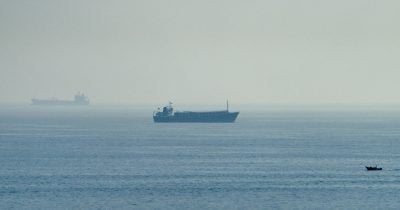
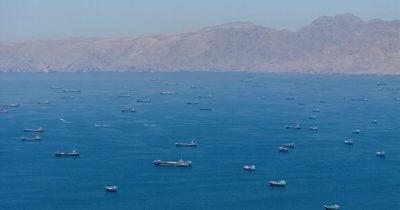
Iran has imposed restrictions on vessels transiting the Strait of Hormuz, a narrow waterway that carries roughly a fifth of the world's oil. The move, announced amid a broader crisis in 2026, immediately rattled global energy markets and sent crude prices climbing. The strait is a critical chokepoint for oil tankers heading out of the Persian Gulf, and any disruption there tends to send shockwaves through the industry.
What the Restrictions Mean for Oil Shipping
The restrictions are not a full blockade, but they are significant. Iran has limited the number of tankers allowed through each day and is requiring prior notification for all transits. Shipping companies are already reporting delays and higher insurance costs. Some vessels are being rerouted around the Arabian Peninsula, adding days to voyages and increasing fuel bills. The Strait of Hormuz is the only sea passage from the Persian Gulf to the open ocean, so there is no easy alternative for the oil produced by Saudi Arabia, Iraq, Kuwait, the UAE, and Iran itself.
Global oil markets are sensitive to any news from the strait. Prices for benchmark crude rose several dollars in the hours after the announcement. Traders are watching for further escalation, but the immediate effect is a premium on risk. If the restrictions tighten further, analysts expect supply disruptions that could push prices higher and strain economies already dealing with inflation.
The Geopolitical Backdrop
The restrictions come at a time of heightened tensions between Iran and the United States. The 2026 crisis has its roots in a series of confrontations over Iran's nuclear program and its support for proxy forces in the region. Previous incidents in the Strait of Hormuz, including the seizure of tankers by Iranian forces, have led to increased naval patrols by the US and its allies. This time, the restrictions appear to be a direct response to new sanctions imposed by Washington earlier this year.
Diplomatic efforts between the two countries have been stalled for months. Indirect talks mediated by Oman and Qatar have not produced a breakthrough. Iran insists on the lifting of all sanctions before it will discuss its nuclear activities. The US says it is willing to negotiate but will not remove sanctions without verifiable steps from Tehran. The outcome of these efforts remains uncertain, and the new restrictions add a layer of urgency.
Uncertain Diplomatic Path
The next round of talks is tentatively scheduled for next month, but neither side has confirmed attendance. In the meantime, the restrictions remain in place, and the risk of a miscalculation is high. A collision between a commercial tanker and a naval vessel, or an accidental exchange of fire, could escalate quickly. Shipping companies are already adjusting their schedules and considering alternative routes, but there is no quick fix for the world's dependence on this waterway.
For now, the situation is fluid. The restrictions are in effect, oil prices are up, and the diplomatic clock is ticking. Whether the next round of talks happens — and whether it produces any result — will determine if this is a temporary disruption or the start of a longer crisis.