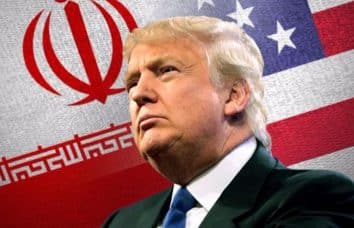
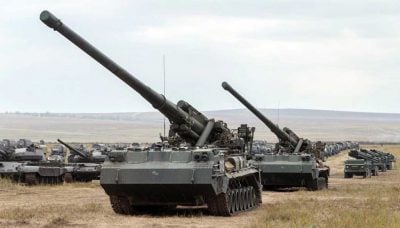
Iran has begun reviewing a US peace proposal designed to halt the ongoing conflict, a move that could reshape the region's political landscape. The review, confirmed by officials close to the process, may pave the way for reduced tensions and a diminished risk of the Iranian government's collapse. It also signals a potential shift from military confrontation to diplomatic engagement.
What the proposal contains
The US proposal, presented to Iranian representatives in recent days, aims to stop hostilities that have dragged on for months. While the exact terms remain undisclosed, the initiative is seen as a direct effort to de-escalate a conflict that has claimed thousands of lives and destabilized parts of the Middle East. The proposal reportedly includes provisions for a ceasefire, a withdrawal of foreign forces from certain areas, and a framework for future negotiations.
Why Tehran is reviewing it now
Iran's decision to review the offer comes amid mounting internal and external pressures. The conflict has strained the country's economy and military resources, and the threat of regime collapse has grown more real in recent weeks. By considering the US proposal, Tehran may be trying to buy time or genuinely explore a way out. Either way, the review itself is a departure from the hardline stance that dominated earlier phases of the war.
Potential outcomes for the region
If the review leads to acceptance, the effects could ripple across the Middle East. Regional stability would likely improve, as the conflict has drawn in proxy forces and disrupted trade routes. A diplomatic solution would also reduce the risk of the Iranian government falling, a scenario that many of its neighbors fear could trigger a refugee crisis or a power vacuum. Shifting focus from military to diplomatic solutions would align with broader international calls for de-escalation.
What happens next
No timeline has been set for Iran's decision. The review process involves multiple government agencies and is expected to take weeks, possibly longer. US officials have not commented publicly on the proposal, but they have signaled willingness to engage. Whether the review leads to formal talks or collapses into further fighting remains an open question. For now, the ball is in Tehran's court.