Iran has confirmed there are no current negotiations with the United States, closing the door on diplomatic channels at a moment when tensions between the two countries are already high. The absence of talks could stall any chance of de-escalation, raising the risk of military confrontation and rattling global markets.
Why talks are off the table
Iranian officials stated plainly that no discussions are underway with Washington. The announcement comes amid a backdrop of heightened rhetoric and military posturing. Without a dialogue, there is no formal mechanism to address the disputes that have fueled the standoff — including Iran's nuclear program, regional influence, and the U.S. sanctions regime. The lack of communication means both sides are left to interpret each other's moves without direct clarification, a recipe for miscalculation.
Risk of military escalation
Diplomatic progress was already slow before this confirmation. Now, with talks ruled out, the path toward any negotiated settlement appears blocked. Analysts have warned that the vacuum increases the likelihood of a military incident — whether a skirmish in the Persian Gulf, a cyberattack, or a broader confrontation. Neither side has signaled a willingness to back down, and the absence of a backchannel leaves little room for de-escalation if things go wrong.
Impact on global markets
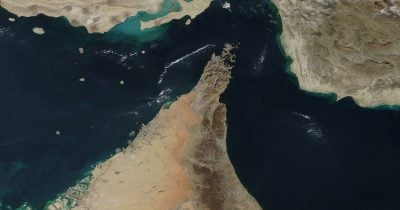
Investors are watching closely. The prospect of a conflict between Iran and the U.S. could disrupt oil supplies through the Strait of Hormuz, a critical chokepoint for global crude shipments. Market confidence has already taken hits from other geopolitical flashpoints; adding a U.S.-Iran standoff to the mix could push energy prices higher and fuel volatility across equities and currencies. Traders are pricing in a risk premium, though the exact scale depends on whether tensions remain at the current level or escalate further.
The question now is what happens next. Without talks, the burden falls on indirect channels — possibly through European or Gulf intermediaries — to keep a lid on the situation. Whether those channels are active or effective remains unclear.