Iran announced Tuesday that negotiations with the United States in Switzerland have moved beyond preliminary discussions and are now focused on a final agreement. The shift marks a potential turning point in a years-long diplomatic standoff that could ripple across energy markets and digital asset regulations tied to sanctions.
What the talks now aim for
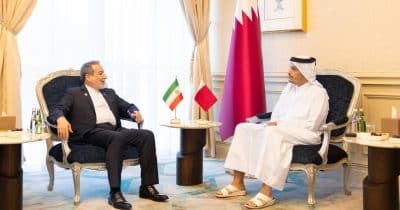
According to Iranian officials, the talks in Geneva have entered a new phase. Instead of debating frameworks or confidence-building measures, both sides are reportedly working on the text of a final deal. The statement didn't specify a timeline or release details about the terms under discussion. The U.S. State Department hasn't commented on the claim.
A final agreement would aim to ease geopolitical tensions that have simmered since the U.S. withdrew from the 2015 nuclear deal in 2018. That withdrawal triggered a cycle of sanctions and countermeasures that deepened Iran's isolation and pushed its nuclear program further along.
Oil markets watching closely
Global oil traders are paying attention. Iran holds some of the world's largest proven oil reserves, and full sanctions relief could add hundreds of thousands of barrels per day to global supply. That would likely weigh on crude prices, which have stayed elevated amid OPEC+ cuts and geopolitical uncertainty. Even the prospect of a deal has already nudged futures lower in recent weeks.
But the real impact depends on implementation. Past agreements took months to unlock actual exports, and verification mechanisms remain a sticking point. Iran insists on verifiable removal of banking and shipping restrictions before it fully complies.
Digital asset rules on the line
Less obvious but potentially significant is what a final agreement means for digital asset regulations. The U.S. Treasury's Office of Foreign Assets Control (OFAC) has increasingly targeted crypto exchanges and wallets used to circumvent sanctions on Iran. If a deal goes through, those enforcement priorities could shift — or at least become less aggressive.
Some blockchain analytics firms have noted that Iran-linked crypto transactions spiked during the years of maximum pressure. A thaw could reduce the need for such tight monitoring. Conversely, sanctions relief might create a new gray area: how to treat digital assets that were previously sanctioned but now fall under a relaxed regime. Regulators in Washington and Brussels are likely already modeling scenarios.
Iran itself has experimented with state-backed crypto mining and a central bank digital currency. A normalized relationship with the U.S. could open the door for Iranian entities to interact with global crypto platforms — but only if the legal framework is clear.
For now, the talks remain the only concrete signal. No date has been set for a signing ceremony, and both sides have warned that major gaps remain. The next few weeks will show whether the shift toward a final agreement is real or just another step in a long dance.