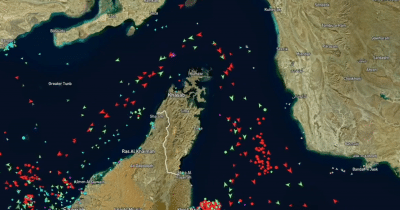
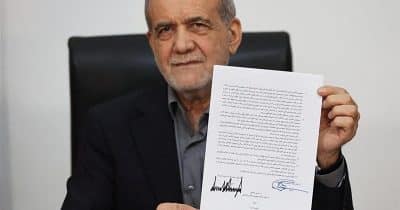
Iran has closed the Strait of Hormuz, a vital chokepoint for global oil shipments, after accusing the United States and Israel of violating a Memorandum of Understanding (MoU). The move threatens to disrupt oil supply chains and could send shockwaves through energy markets, while raising the risk of a broader regional confrontation.
Why the strait was closed
According to a report, Iranian authorities said the closure came in response to alleged violations of the MoU involving Washington and Tel Aviv. The precise terms of the agreement were not disclosed, but the accusations point to actions Iran considers a breach of the understanding. The decision effectively shut down the narrow waterway that connects the Persian Gulf to the Gulf of Oman, through which roughly one-fifth of the world's oil passes each day.
Oil markets on edge
The Strait of Hormuz is the single most important oil transit route globally. A closure, even a temporary one, can spike crude prices as traders price in supply disruptions. Tankers carrying crude from Saudi Arabia, Iraq, Kuwait, the UAE, and other Gulf producers must cross the strait to reach markets in Asia, Europe, and North America. Any prolonged blockage would force buyers to scramble for alternative sources, likely drawing down strategic reserves and pushing up costs at the pump.
Energy analysts expect the closure to trigger volatility in futures markets. The impact could be especially severe if it coincides with other supply constraints, such as OPEC+ production cuts or sanctions on Russian oil. But the immediate effect is already visible: shipping insurance rates for vessels in the region have jumped, and some tankers are holding off on entering the Gulf.
Geopolitical fallout and what comes next
The closure escalates a tense standoff between Iran and the US-Israel axis. The region has seen tit-for-tat strikes, cyberattacks, and proxy clashes in recent months. This move crosses a line that had largely held since the Iran-Iraq war in the 1980s, when both sides targeted shipping.
Washington has not yet issued a formal response, but military officials in the region are likely assessing options to keep the waterway open. The US Fifth Fleet is based in Bahrain, and American warships routinely patrol the strait. Iran's navy and the Islamic Revolutionary Guard Corps have fast boats, mines, and anti-ship missiles that could make a forced reopening costly.
For now, shipping companies are rerouting vessels around the Arabian Peninsula, adding days and millions of dollars in fuel costs. Diplomats at the United Nations are expected to hold emergency consultations in the coming days. A key question remains: what exactly did Iran claim the US and Israel did that triggered the closure? Without that detail, the chances of a quick de-escalation remain uncertain.